
Nerds Candy Facts — History, Science & Flavor Innovations
Nerds candy facts reveal that the iconic dual-flavored confection was invented in 1983 by candy pioneer Angelo Fraggos under…
Food encompasses all metabolizable organic and inorganic substances ingested by the human body to supply essential macronutrients, micronutrients, and biochemical energy necessary for cellular homeostasis, tissue maintenance, and metabolic regulation.
Mastering coastal seafood preparation, mayonnaise-dijon binding chemistry, and blue crab moisture preservation.
Exploration of sugar panning technology, micro-crystalline sucrose layers, and malic-acid sour flavor dynamics.
Scientific evaluation of cellular fluid transport, sodium-glucose cotransport mechanisms, and isotonic balance.
Formulating keto-compliant frozen confections using non-caloric sweeteners, natural colorants, and gelatin matrices.
Food science operates at the convergence of organic chemistry, thermal thermodynamics, microbiology, and human physiological nutrition. Every dietary ingredient comprises complex matrices of proteins, lipids, carbohydrates, water, and bioactive micronutrients whose molecular conformations dictate culinary behavior and biological uptake. When heat is applied during cooking, proteins denature and coagulate, starches undergo gelatinization, and reducing sugars react with amino acids via the non-enzymatic Maillard reaction, producing thousands of aromatic volatile compounds that define flavor complexity and surface caramelization.
Nutrient bioavailability—the fraction of an ingested compound that reaches systemic circulation—is fundamentally altered by culinary preparation techniques. While water-soluble vitamins like ascorbic acid (Vitamin C) and thiamine exhibit vulnerability to prolonged thermal exposure and leaching, fat-soluble carotenoids (such as lycopene in tomatoes and beta-carotene in carrots) demonstrate significantly enhanced cellular absorption when cooked in the presence of lipid carriers like extra virgin olive oil. Understanding these synergistic food matrix interactions bridges the gap between culinary gastronomy and human metabolic wellness.
Modern food processing methodologies range from primary ancestral preservation techniques—such as fermentation, dehydration, and lactic acidification—to advanced industrial stabilization methods like nitrogen-flushing, flash-freezing, and high-pressure processing (HPP). Evaluating foods along the NOVA classification spectrum allows consumers and culinary practitioners to distinguish between nutrient-dense whole food matrices and ultra-processed formulations engineered for hyper-palatability, providing an empirical framework for healthy dietary curation.
| Food Matrix Component | Key Biochemical Function | Culinary Transformation Mechanism | Bioavailability Modulator |
|---|---|---|---|
| Structural Proteins | Tissue synthesis & enzyme formation | Thermal denaturation & enzymatic coagulation | Cooking improves amino acid digestibility |
| Complex Carbohydrates | Sustained glycemic energy & fiber | Starch gelatinization & retrogradation | Cooling starchy foods creates resistant starch |
| Dietary Lipids | Hormone synthesis & cell membranes | Lipid oxidation & emulsion stabilization | Carries fat-soluble vitamins (A, D, E, K) |
| Polyphenols & Antioxidants | Cellular defense & inflammation balance | Degradation vs release from plant cell walls | Gentle steaming preserves heat-sensitive antioxidants |
Culinary arts focuses on sensory flavor balance, plating aesthetics, and recipe execution, whereas food science investigates the physical, chemical, and biological properties of food ingredients and their preservation mechanics.
Water-soluble vitamins (B-complex and C) leach into boiling liquids and degrade under sustained heat. Steaming, roasting, and quick sautéing minimize nutrient leaching while breaking down fibrous cell walls to release fat-soluble antioxidants.
Ultra-processed foods (NOVA Group 4) are industrial formulations consisting mostly of substances derived from foods (e.g. hydrogenated oils, modified starches, protein isolates) combined with cosmetic additives, flavor enhancers, and emulsifiers.
Heat denatures dense secondary and tertiary protein structures, unfolding tightly coiled polypeptide chains so that digestive proteases (pepsin, trypsin) can readily cleave peptide bonds.
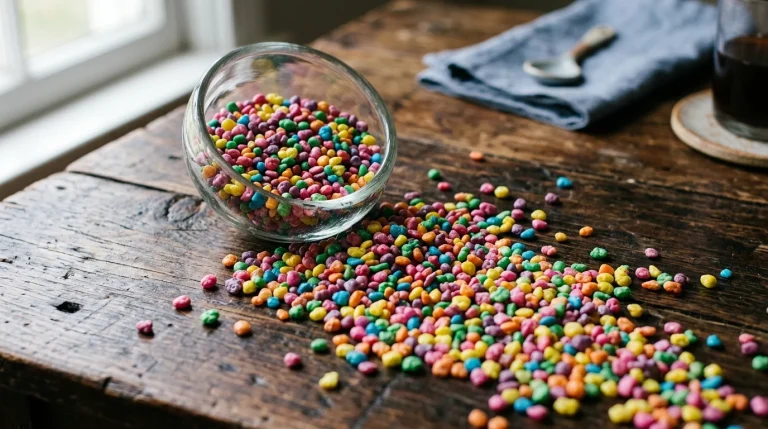
Nerds candy facts reveal that the iconic dual-flavored confection was invented in 1983 by candy pioneer Angelo Fraggos under…
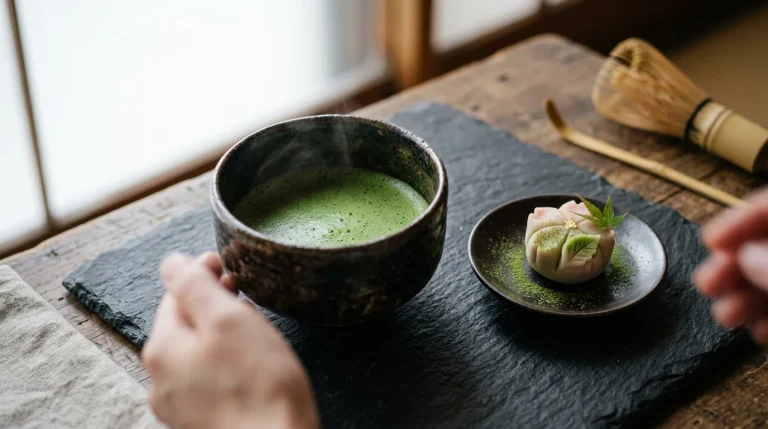
Tooyoojoo in culinary and cultural contexts refers to the philosophical synthesis of seasonal gastronomy and mindful dining inspired by…
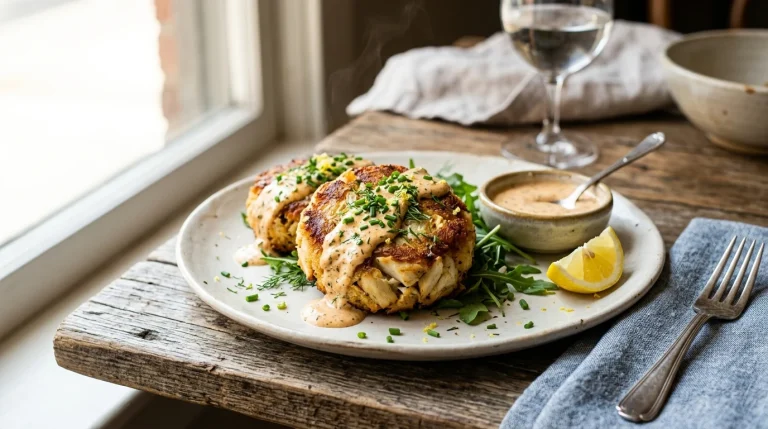
Crab cakes with remoulade sauce is a classic coastal American seafood dish combining pan-seared jumbo lump blue crab meat—bound…

Powerade is an effective hydration beverage for prolonged high-intensity athletic performance exceeding 60 minutes, delivering fluid alongside the ION4…
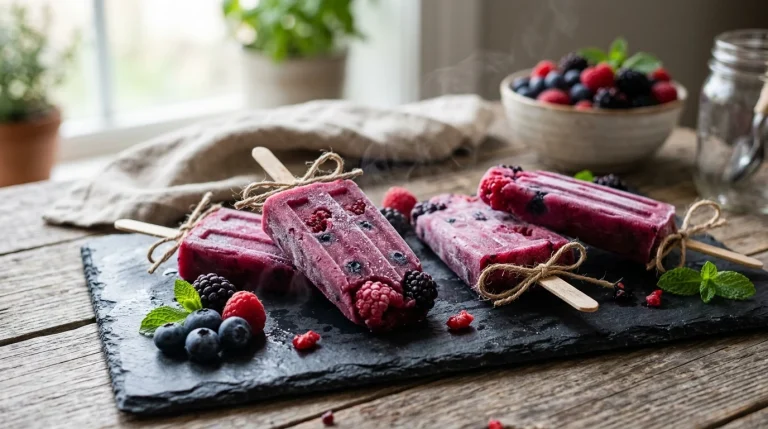
Atkins-friendly sugar-free popsicles are zero-to-low net carb frozen treats formulated with keto-compatible non-glycemic sweeteners—such as allulose, erythritol, stevia, or…
My Stomach Feel Funny After Capri Sun Drinks is a vital culinary subject that bridges nutritional science, recipe innovation,…
My Stomach Feel Funny After Capri Sun Drinks is a vital culinary subject that bridges nutritional science, recipe innovation,…
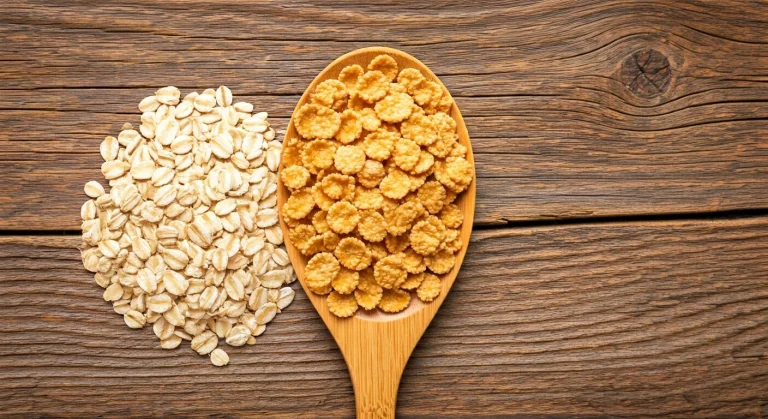
My Stomach Feel Funny After Capri Sun Drinks represents an essential pillar within modern food science, culinary innovation, and…
I Am A Target Guest Who Has Shopped At Target In The Past 6 Months. What Ingredients Are In…
I Am A Target Guest Who Has Shopped At Target In The Past 6 Months. What Ingredients Are In…
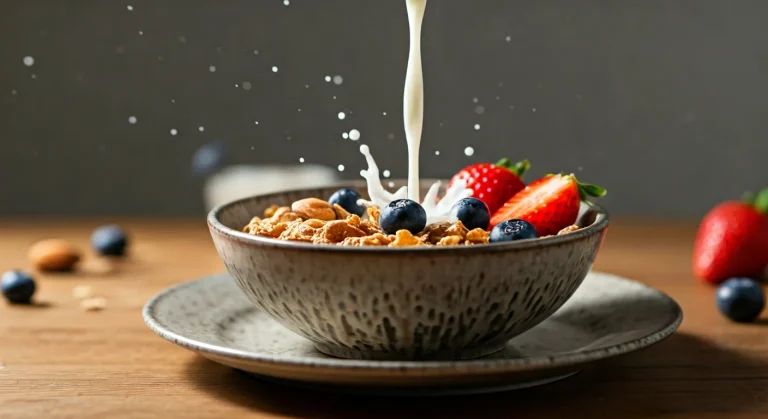
I Am A Target Guest Who Has Shopped At Target In The Past 6 Months. What Ingredients Are In…
Is Gatorade Zero Healthy is a vital culinary subject that bridges nutritional science, recipe innovation, and flavor profiling. Discovering…
Is Gatorade Zero Healthy is a vital culinary subject that bridges nutritional science, recipe innovation, and flavor profiling. Discovering…
Is Gatorade Zero Healthy represents an essential pillar within modern food science, culinary innovation, and holistic nutrition. Exploring how…
Regulation, On Sauces, Condiments is a vital culinary subject that bridges nutritional science, recipe innovation, and flavor profiling. Discovering…
Regulation, On Sauces, Condiments is a vital culinary subject that bridges nutritional science, recipe innovation, and flavor profiling. Discovering…

Regulation, On Sauces, Condiments represents an essential pillar within modern food science, culinary innovation, and holistic nutrition. Exploring how…
Vibrators And Health Benefits is a vital culinary subject that bridges nutritional science, recipe innovation, and flavor profiling. Discovering…
Vibrators And Health Benefits is a vital culinary subject that bridges nutritional science, recipe innovation, and flavor profiling. Discovering…

Vibrators And Health Benefits represents an essential pillar within modern food science, culinary innovation, and holistic nutrition. Exploring how…