
Are Electric Kettles Bad for You? Kitchen Appliance Insights

Discover the truth behind electric kettles: Do they pose health risks? Dive into the insights of this kitchen appliance.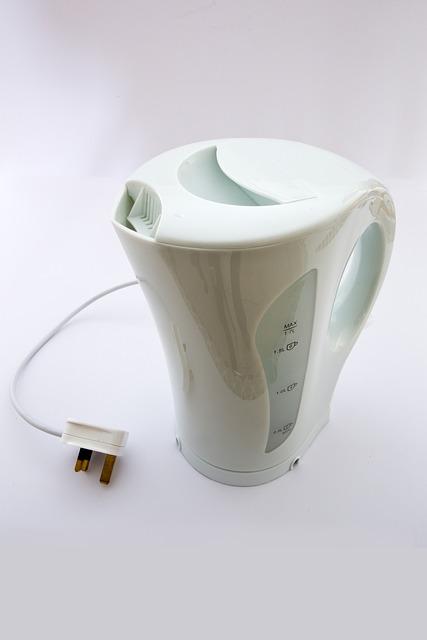
Contents
- Electric Kettles: Debunking Health Concerns Surrounding the Popular Kitchen Appliance
- Unveiling the Truth: Exploring the Impact of Electric Kettles on Your Well-being
- Examining Safety and Health Factors: Separating Fact from Fiction when Using Electric Kettles
- The Ultimate Guide to Choosing Electric Kettles: Ensuring Your Health and Safety
- Electric Kettles and Plastic Usage: Minimizing Potential Health Risks in Your Cup of Tea
- Optimizing Electric Kettle Usage: Effortless Tips for a Healthy Tea or Coffee Experience
- Harnessing the Benefits: How Electric Kettles Can Enhance Your Kitchen without Compromising Health
Electric Kettles: Debunking Health Concerns Surrounding the Popular Kitchen Appliance
Electric kettles have become an essential kitchen appliance for many households, offering convenience and efficiency in boiling water. However, there have been concerns circulating about the potential negative health effects of using electric kettles. Let’s debunk those concerns and shed light on the truth behind this popular kitchen appliance.
One common worry is that electric kettles can release harmful chemicals into the water, posing a risk to our health. I’m here to assure you that this concern is simply a myth. Electric kettles are made from materials that are specifically designed to be safe for boiling water, such as stainless steel, glass, or BPA-free plastics. These materials are tested rigorously to ensure they do not leach any harmful substances into the water during the boiling process.
Another concern often raised is that the high temperatures reached by electric kettles can alter the taste and quality of the water. While it’s true that boiling water can affect its taste slightly, this change is negligible and doesn’t pose any health risks. In fact, boiling water in electric kettles helps kill any potential bacteria or pathogens, making it safer to consume.
To further address any doubts, here are some key benefits of using electric kettles:
- Time-saving: Electric kettles heat water much faster than traditional stovetop kettles, saving you precious minutes in your busy day.
- Energy-efficient: These appliances are designed to be highly energy-efficient, meaning they use less power to boil water compared to other methods, such as stovetop boiling.
- Temperature control: Many electric kettles come with temperature control settings, allowing you to choose the ideal temperature for different beverages like tea or coffee.
In conclusion, electric kettles are not bad for your health. They are a safe and convenient kitchen appliance that offers a range of benefits. So, go ahead and enjoy a hot cup of tea or coffee without any unnecessary worries about the safety of your electric kettle.
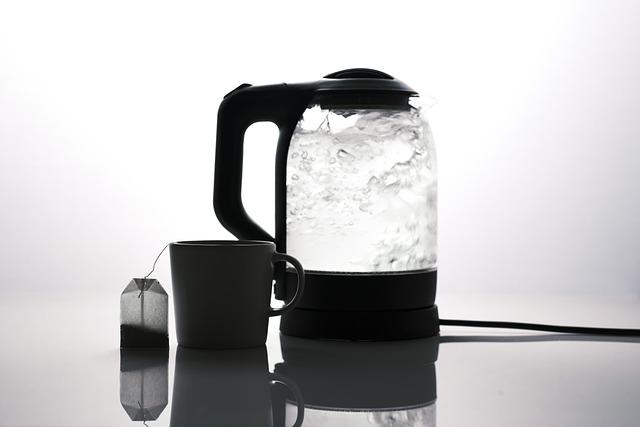
Unveiling the Truth: Exploring the Impact of Electric Kettles on Your Well-being
Electric kettles have become a common staple in modern kitchens, providing convenience and efficiency in boiling water for various hot beverages and cooking needs. However, there have been debates and concerns about the impact of electric kettles on our well-being. Let’s delve into the truth behind these claims and explore the potential effects of electric kettles on our health.
One of the most common concerns surrounding electric kettles is the materials used in their construction. Many electric kettles are made from plastic, stainless steel, or glass. While plastic may be more affordable and lightweight, it has raised concerns about the release of harmful chemicals when exposed to high temperatures. On the other hand, stainless steel and glass kettles are generally considered safer options as they do not release any toxins.
Another aspect to consider is the heating element used in electric kettles. Some kettles use a coil heating element, while others utilize a flat plate. The coil heating element is more prone to mineral buildup, which can affect the taste of the water. It is important to regularly descale your kettle to maintain its performance and prevent any negative effects on your health.
In terms of overall well-being, using an electric kettle can offer several benefits. Firstly, it saves time and energy, allowing you to quickly boil water for your tea, coffee, or any other beverage. It also ensures uniform heating, eliminating the risk of overheating and potential scalding incidents. With its automatic shut-off feature, you can be at ease knowing that your kettle will turn off once the water reaches the desired temperature.
To sum it up, while there are factors to consider when using an electric kettle, such as the materials used and the maintenance required, when used responsibly, an electric kettle can be a convenient and safe addition to your kitchen. It is important to choose a kettle made from food-grade materials and regularly clean and descale it to ensure the best possible experience. So, go ahead and indulge in your favorite hot drink, knowing that your electric kettle is not compromising your well-being.
Examining Safety and Health Factors: Separating Fact from Fiction when Using Electric Kettles
When it comes to our daily kitchen routines, there are often debates surrounding the safety and health factors of the appliances we use. One such appliance that often finds itself under scrutiny is the electric kettle. But fear not, as we dive into this topic, we’ll separate fact from fiction and shed light on the true insights regarding the safety and health aspects of using electric kettles.
Firstly, let’s address the common misconception that electric kettles are bad for your health. This is simply not the case. Electric kettles are designed with safety in mind, and when used correctly, pose no harm to your well-being. In fact, they are built with automatic shut-off features that prevent overheating and ensure a safe boiling process. So, you can confidently rely on your electric kettle to provide you with piping hot water without any health concerns.
Moreover, electric kettles offer several advantages over traditional stovetop kettles. One notable benefit is their speed and efficiency. With electric kettles, you can enjoy a much faster boiling time, allowing you to prepare your favorite hot beverages or meals in a fraction of the time. Additionally, electric kettles often come equipped with advanced filtration systems that remove impurities from the water, providing you with cleaner and healthier results.
In conclusion, it’s important to separate fact from fiction when it comes to the safety and health factors of using electric kettles. These kitchen appliances are not only safe to use but also offer convenience, efficiency, and improved water quality. So go ahead, enjoy a cup of tea or prepare your favorite instant meals hassle-free, knowing that your electric kettle is a reliable and health-conscious choice.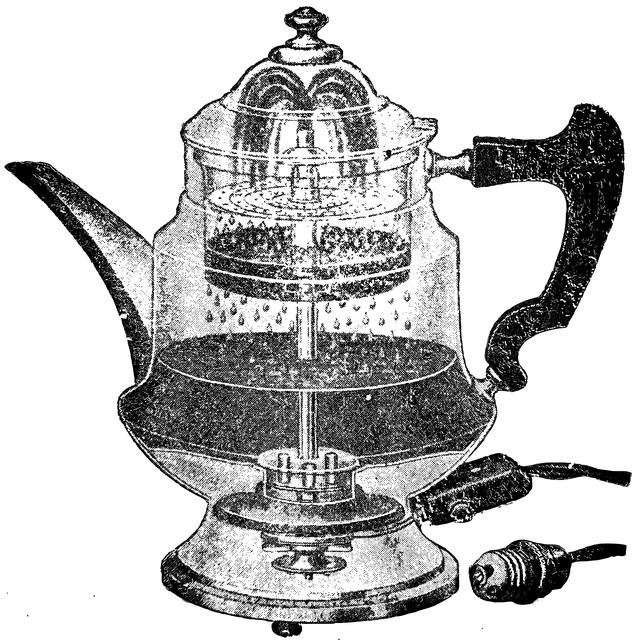
The Ultimate Guide to Choosing Electric Kettles: Ensuring Your Health and Safety
In today’s modern kitchen, the electric kettle has become an essential appliance for many households. With their quick boiling times and convenience, electric kettles have gained popularity as a go-to choice for making hot beverages. However, as health-conscious individuals, it’s natural to wonder: are electric kettles bad for you? Let’s explore this topic further and shed some light on the matter.
First and foremost, it’s important to address the safety aspect of electric kettles. Rest assured, these appliances are designed with various safety features to ensure your well-being. Many electric kettles come equipped with automatic shut-off mechanisms that prevent overheating and potential accidents. So, you can enjoy a cup of tea or coffee without worrying about any safety hazards.
When it comes to health concerns, electric kettles can be a great choice. Unlike traditional stove-top kettles, electric kettles typically have a concealed heating element. This means that the water is heated more efficiently and uniformly, minimizing the risk of contamination from elements like rust or mineral deposits. Additionally, most electric kettles are made from food-grade materials like stainless steel or BPA-free plastic, ensuring that your boiled water remains safe and healthy for consumption.
To maximize the health benefits of using an electric kettle, consider these tips:
Regular cleaning: As with any kitchen appliance, cleaning your electric kettle regularly is crucial. Use a mixture of vinegar and water to descale the kettle and remove any built-up mineral deposits.
Temperature control: Some electric kettles offer adjustable temperature settings, allowing you to customize the water temperature based on your beverage of choice. This can be particularly beneficial when preparing delicate teas or baby formula.
- Choose a reputable brand: Opt for electric kettles from well-known brands that prioritize quality and safety in their products. Reading customer reviews and checking for certifications can give you peace of mind when making your purchase.
In conclusion, when chosen wisely and used correctly, electric kettles can be a valuable addition to your kitchen routine. Their safety features, efficient heating methods, and ease of use make them an excellent choice for ensuring your health and safety. So go ahead, brew your favorite hot beverages with confidence and enjoy the convenience that electric kettles bring to your kitchen.
Electric Kettles and Plastic Usage: Minimizing Potential Health Risks in Your Cup of Tea
Electric kettles have become a staple in many kitchens, providing a quick and efficient way to boil water for a comforting cup of tea. However, as health-conscious individuals, it’s important to consider the potential risks associated with plastic usage in these appliances.
Plastic is commonly used in the construction of electric kettles due to its durability and heat-resistant properties. While this may be convenient, it’s essential to be aware of the potential health risks that can arise from prolonged exposure to plastic.
One of the main concerns surrounding plastic usage in electric kettles is the leaching of harmful chemicals into the boiling water. Some plastics contain chemicals like bisphenol A (BPA) and phthalates, which have been linked to various health issues such as hormonal disruptions and even cancer. To minimize these risks, it’s advisable to opt for electric kettles made from BPA-free materials, such as stainless steel or glass. Not only are these materials safer for your health, but they also provide better heat retention, ensuring your tea stays warm for longer periods.
Another precaution to consider when using electric kettles is to avoid overfilling them. By following the manufacturer’s guidelines and only heating the amount of water needed, you can reduce the contact time between the plastic and hot water, thus minimizing potential chemical leaching. In addition, regular cleaning and maintenance of your electric kettle is crucial. Make sure to use mild, non-abrasive cleaners and avoid using harsh chemicals that could degrade the plastic, as this may increase the risk of chemical leaching.
Optimizing Electric Kettle Usage: Effortless Tips for a Healthy Tea or Coffee Experience
Electric kettles have become a staple in modern kitchens, providing convenience and efficiency when it comes to boiling water for a comforting cup of tea or coffee. But have you ever wondered if using an electric kettle is actually bad for your health? Well, fear not! In this post, we will delve into the insights surrounding electric kettles and shed light on the numerous aspects that ensure a healthy tea or coffee experience.
One of the primary concerns with electric kettles is the material they are made of. Most electric kettles are crafted using stainless steel or BPA-free plastic. These materials are safe for use as they do not leach harmful chemicals into your beverages. However, it is always advisable to opt for high-quality kettles made from food-grade materials for optimal safety.
Another area to focus on when optimizing your electric kettle usage is the cleanliness aspect. Regular cleaning is essential to prevent any build-up of mineral deposits or bacteria. A simple yet effective method is to fill the kettle with a mixture of water and vinegar, allowing it to sit for a while before rinsing thoroughly. This helps remove any scaling or residue, ensuring a fresh and clean brew every time.
Additionally, water temperature plays a crucial role in maintaining the integrity of your tea or coffee. For delicate teas, such as green or white teas, it is best to use water that is heated to around 175°F to 185°F (80°C to 85°C). On the other hand, for a robust cup of coffee, a higher temperature of 195°F to 205°F (90°C to 96°C) is recommended. Investing in an electric kettle with variable temperature control allows you to customize your brewing experience and enhance the flavors of your favorite beverages.
In conclusion, electric kettles are not bad for your health if used correctly and with proper maintenance. By opting for high-quality materials, regular cleaning, and maintaining the right water temperature, you can effortlessly optimize your electric kettle usage for a healthy and enjoyable tea or coffee experience. Cheers to a perfectly brewed cuppa!
Harnessing the Benefits: How Electric Kettles Can Enhance Your Kitchen without Compromising Health
Electric kettles have become a popular and convenient kitchen appliance in many households. With their rapid boiling times and easy-to-use features, they offer a range of benefits that can enhance your kitchen experience. But does using an electric kettle compromise your health? Let’s delve into the insights and unveil the truth behind this burning question.
One of the main concerns when it comes to electric kettles is the material used to construct them. However, reputable manufacturers have taken great strides in ensuring that the materials used in their kettles are safe and non-toxic. Most electric kettles are made from stainless steel, glass, or BPA-free plastic, eliminating the risk of harmful chemicals leaching into your boiling water. So, rest assured that your health is not compromised when using a high-quality electric kettle.
Furthermore, the speed at which electric kettles boil water helps to retain important nutrients in your beverages or culinary creations. Unlike traditional stovetop kettles, electric kettles provide a quick and efficient way to heat water, preventing excessive heat exposure. This means that your tea, coffee, or any other hot drink will retain more of its natural flavors, antioxidants, and vitamins. With an electric kettle, you can enjoy both speed and health benefits in a single appliance.
In conclusion, electric kettles can enhance your kitchen without compromising your health. With their safe materials and speedy boiling times, they offer convenience and efficiency while preserving the integrity of your beverages. So, go ahead and embrace the wonders of an electric kettle in your kitchen, knowing that it is a reliable and health-conscious addition to your culinary arsenal. In conclusion, it’s essential to make informed decisions about the appliances we use in our kitchens. While electric kettles offer convenience and efficiency, it’s natural to wonder if they may pose any potential risks to our health. By examining the facts and understanding how these appliances work, we can confidently determine whether electric kettles are suitable for our individual needs. Remember to prioritize safety by choosing reputable brands and following proper usage guidelines. The key is to strike a balance between convenience and peace of mind when it comes to our beloved kitchen companions. Happy brewing, boiling, and savoring your favorite hot beverages!


