
Are Salted Peanuts Bad for You? Nutty Nutrition

Discover the truth behind salted peanuts and their impact on your health and nutrition. Uncover the nutty facts in our informative article.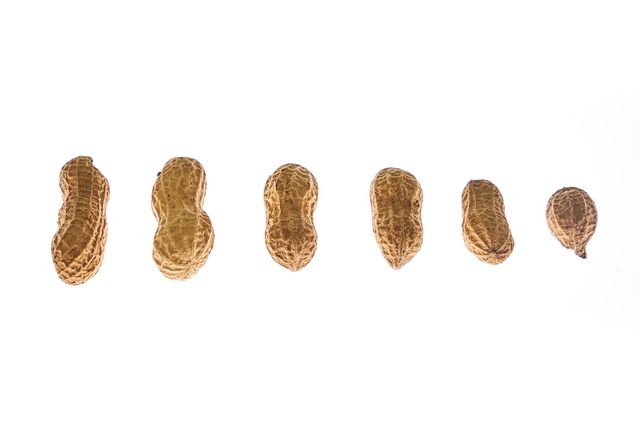
Contents
- 1. Salted Peanuts: Debunking the Myths Surrounding Their Nutritional Value
- 2. The Impact of Salted Peanuts on Your Health: Unveiling the Truth
- 3. Understanding the Nutritional Profile of Salted Peanuts: What You Need to Know
- 4. Making Informed Choices: Are There Healthier Alternatives to Salted Peanuts?
- 5. Unveiling the Hidden Dangers: The Potential Side Effects of Consuming Salted Peanuts
- 6. The Science Behind Salted Peanuts: How Excessive Sodium Affects Your Body
- 7. A Nutritious Twist: Discovering the Benefits of Unsalted Peanuts
1. Salted Peanuts: Debunking the Myths Surrounding Their Nutritional Value
When it comes to snacking, few things are as satisfying as a handful of salted peanuts. But over the years, there have been various myths surrounding their nutritional value. So, let’s dig into the facts and debunk those myths one by one.
Myth: Salted peanuts are high in fat and should be avoided for a healthy diet.
Fact: While it’s true that salted peanuts do contain fat, it’s important to note that not all fats are created equal. Peanuts are a great source of healthy monounsaturated fats, which have been linked to various health benefits. In moderation, these fats can actually be part of a balanced diet.
Myth: Salted peanuts are loaded with sodium and should be avoided by those watching their salt intake.
Fact: Yes, salted peanuts do contain sodium, but the amount can vary depending on the brand and preparation. However, it’s essential to remember that our bodies do require some sodium for proper functioning. As long as you’re not overindulging in salted peanuts, they can still be enjoyed as part of a healthy lifestyle.
Myth: Salted peanuts have no nutritional value.
Fact: On the contrary, salted peanuts are a good source of various nutrients, including protein, fiber, and essential minerals like magnesium and phosphorus. They also contain a fair amount of antioxidants that contribute to overall health. However, it’s worth mentioning that unsalted peanuts might offer a similar nutritional profile without the added sodium.
In conclusion, salted peanuts can absolutely be part of a healthy diet when consumed in moderation. As with any food, balance is key. So, grab a handful of these nutty treats and enjoy them as a delightful snack, knowing that you’re still nourishing your body with valuable nutrients.

2. The Impact of Salted Peanuts on Your Health: Unveiling the Truth
Salted peanuts are a beloved snack enjoyed by many, but have you ever wondered about their impact on your health? In this post, we will unveil the truth behind these deliciously nutty treats and explore their nutritional value.
First and foremost, it’s important to note that while salted peanuts may satisfy your cravings and taste buds, they should be consumed in moderation. Excessive intake of salt can lead to high blood pressure and other health issues. However, when enjoyed in moderation, salted peanuts can actually provide some health benefits.
Here are some key points to consider:
Nutritional Powerhouse: Salted peanuts are packed with essential nutrients that can promote overall well-being. They are a great source of protein, healthy fats, and fiber, which can help keep you feeling full and satisfied.
Heart-Healthy Fats: Despite the added salt, peanuts contain monounsaturated fats, which are known to be heart-healthy. These fats can help lower bad cholesterol levels and reduce the risk of heart disease when consumed as part of a balanced diet.
- Vitamins and Minerals: Salted peanuts are rich in various vitamins and minerals, including vitamin E, niacin, folate, and magnesium. These nutrients play crucial roles in supporting your immune system, promoting brain health, and maintaining strong bones.
Remember, moderation is key. Opt for unsalted peanuts whenever possible, and if you do indulge in salted varieties, be mindful of your portion sizes. Consider incorporating salted peanuts into your meals and snacks, such as adding them to salads or using them as a crunchy topping for roasted vegetables.
In conclusion, salted peanuts can be enjoyed as part of a healthy lifestyle when consumed in moderation. Their nutritional value, including their high protein content and heart-healthy fats, can contribute positively to your overall well-being. So go ahead and savor the nutty goodness, but remember to keep it balanced and mindful of your salt intake.
3. Understanding the Nutritional Profile of Salted Peanuts: What You Need to Know
Salted peanuts are a beloved snack for many, but there’s often confusion about their nutritional value. Let’s dive into the nutritional profile of salted peanuts and clear up any misconceptions. Firstly, it’s important to note that peanuts are actually legumes, not nuts. Nevertheless, they offer a wide range of nutrients that can benefit your overall health.
One of the main concerns with salted peanuts is their sodium content. While it’s true that salted peanuts do contain salt, it’s not necessarily a bad thing. In fact, our bodies need a certain amount of sodium to function properly. However, it’s essential to consume salted peanuts in moderation to avoid exceeding the recommended daily intake of sodium.
Fortunately, salted peanuts offer far more than just sodium. They are packed with heart-healthy monounsaturated fats, which can help lower bad cholesterol levels. These healthy fats also contribute to satiety, preventing overeating and aiding in weight management. Additionally, salted peanuts are an excellent source of protein, fiber, and several essential vitamins and minerals, including vitamin E, folate, magnesium, and phosphorus.
While salted peanuts can be a nutritious choice when enjoyed in moderation, it’s crucial to be mindful of portion sizes. Snacking on a handful of salted peanuts can provide a satisfying crunch and a boost of nutrients. Be sure to read labels and opt for unsalted or lightly salted varieties whenever possible to better control your sodium intake. So, embrace the nuttiness of salted peanuts and enjoy them as part of a balanced and varied diet.
4. Making Informed Choices: Are There Healthier Alternatives to Salted Peanuts?
When it comes to snacking, salted peanuts have always been a popular choice. They’re crunchy, savory, and satisfying. But have you ever wondered if there are healthier alternatives to this classic snack? In this post, we’ll explore the nutritional value of salted peanuts and provide you with some nutty alternatives that can be just as delicious.
While salted peanuts can be a tasty treat, it’s important to be aware of their nutritional content. Peanuts are naturally high in fat, which can contribute to weight gain if consumed in excess. Additionally, the salt used to season them can increase your sodium intake, which may not be ideal for individuals with high blood pressure or other health concerns.
If you’re looking to make a more informed choice, there are plenty of alternatives to salted peanuts that can satisfy your cravings without compromising your health. Here are some nutty options to consider:
Roasted Almonds: Almonds are packed with nutrients like vitamin E, magnesium, and healthy fats. They provide a satisfying crunch and can be enjoyed plain or lightly seasoned with herbs and spices.
Cashews: Cashews are a creamy and mildly sweet nut that can be enjoyed both raw and roasted. They are a good source of iron, zinc, and biotin, making them a nutritious alternative to salted peanuts.
- Pistachios: Pistachios are not only delicious but also offer a wide range of health benefits. They contain antioxidants, fiber, and heart-healthy fats. Plus, the act of cracking open the shells can make snacking more mindful and enjoyable.
Remember, moderation is key when it comes to nut consumption. While these alternatives may have their own nutritional perks, it’s important to enjoy them as part of a balanced diet. So go ahead, explore the nutty world and find a healthier choice that suits your taste buds and your overall well-being.
5. Unveiling the Hidden Dangers: The Potential Side Effects of Consuming Salted Peanuts
Salted peanuts may be a popular snack choice, but it’s important to be aware of the potential side effects they can have on your health. While peanuts themselves offer various nutritional benefits, the added salt can lead to certain health risks if consumed excessively. Here are some hidden dangers associated with consuming salted peanuts:
Increased Blood Pressure: Too much sodium, found in high amounts in salted peanuts, can raise your blood pressure. This increases the risk of developing heart disease, stroke, and other cardiovascular problems. It’s wise to limit your intake, especially if you already have high blood pressure or are at risk of developing it.
Water Retention: Excessive sodium intake from salted peanuts can cause your body to retain water. This may result in bloating, edema, and overall discomfort. Individuals with conditions like kidney disease or liver problems should be especially cautious, as their bodies may not efficiently eliminate excess water and salt.
- Kidney Strain: Your kidneys play a vital role in maintaining a healthy balance of fluids and electrolytes in your body. Consuming too much salt, including in salted peanuts, can put a strain on the kidneys, making them work harder to filter out the excess sodium. Over time, this could lead to kidney damage or dysfunction.
To enjoy salted peanuts without compromising your health, it’s important to consume them in moderation. Opt for unsalted or lightly salted options whenever possible. Be mindful of your overall sodium intake throughout the day, considering other high-sodium foods in your diet. Remember, moderation is key when it comes to nutty nutrition!
6. The Science Behind Salted Peanuts: How Excessive Sodium Affects Your Body
At first glance, salted peanuts may seem like a delicious snack option that satisfies both your savory cravings and your need for a quick energy boost. However, it’s important to understand the science behind these little nuts and how excessive sodium can impact your body.
Excessive sodium intake can lead to various health issues, such as high blood pressure, increased risk of heart disease, and water retention. Salted peanuts, as the name suggests, are loaded with salt to enhance their flavor. While this may make them irresistible to your taste buds, it’s crucial to consume them in moderation.
Let’s delve into the nutty nutrition of salted peanuts. Here are a few key points to consider:
- Sodium content: Salted peanuts typically have a higher sodium content compared to their unsalted counterparts. A single serving can contain a significant amount of sodium, which can easily accumulate if you frequently snack on them.
- Effects on blood pressure: Excessive sodium intake can elevate your blood pressure levels, making it a concern for individuals with hypertension or those at risk for cardiovascular diseases.
- Water retention: Sodium has the ability to attract and retain water in your body, leading to bloating and swelling. If you’re already prone to water retention, it’s best to limit your consumption of salted peanuts.
While it’s not necessary to completely eliminate salted peanuts from your diet, it’s wise to enjoy them in moderation. Opting for unsalted varieties or choosing lower-sodium options can help reduce your sodium intake while still satisfying your craving for a nutty snack. Remember, moderation is key when it comes to maintaining a healthy and balanced diet.
7. A Nutritious Twist: Discovering the Benefits of Unsalted Peanuts
Peanuts, a favorite snack for many, come in various flavors and forms. Among these, salted peanuts have gained immense popularity. However, have you ever wondered if these savory treats are actually detrimental to your health? Let’s dive into the world of peanuts and explore the benefits of its unsalted counterpart.
Unsalted peanuts are an excellent source of nutrition. Packed with protein, fiber, and healthy fats, they offer a nutrient-rich addition to your diet. Protein is vital for building and repairing tissues, while fiber aids in digestion and helps maintain a healthy weight. The natural fats found in unsalted peanuts are predominantly monounsaturated and polyunsaturated fats, both of which are heart-healthy and can help improve cholesterol levels.
But what about their salted siblings? Salted peanuts, though undoubtedly tasty, can have adverse effects when consumed in excess. The high sodium content in salted peanuts may contribute to high blood pressure, water retention, and other health issues. It’s essential to keep an eye on your sodium intake and opt for unsalted alternatives whenever possible.
When incorporating peanuts into your cooking, unsalted ones can bring a whole new dimension of flavor. Roasting unsalted peanuts in the oven intensifies their nutty taste and adds a delightful crunch to salads, stir-fries, and even baked goods. You can also grind them to create homemade peanut butter, which can be customized to suit your taste preferences.
In conclusion, while salted peanuts can be enjoyed in moderation, the unsalted variety offers a healthier and more nutritious option. With their abundance of protein, fiber, and heart-healthy fats, unsalted peanuts serve as a versatile ingredient in your favorite recipes. So, why not give your taste buds a twist and indulge in the many benefits of unsalted peanuts? In conclusion, when it comes to salted peanuts, understanding their impact on our overall health is crucial. As we’ve explored in this article, moderation is key. While salted peanuts can be a delicious and convenient snack option, it’s important to keep a close eye on our salt intake to maintain a balanced diet.
Remember, peanuts themselves are packed with essential nutrients and can offer numerous health benefits. However, the high sodium content found in salted peanuts can be a concern if consumed excessively. To make an informed decision, it’s always a good idea to read the nutrition labels and opt for unsalted varieties or those with lower sodium levels.
By staying mindful of our salt consumption and incorporating a varied diet that includes other nutritious foods, we can enjoy the nutty goodness of salted peanuts in a way that supports our overall well-being. So go ahead, savor the flavor in moderation, and make informed choices that align with your personal health goals.
As always, consulting with a healthcare professional or registered dietitian can provide you with personalized guidance and advice, ensuring you make choices that suit your specific needs. Here’s to enjoying the goodness and nutty nutrition of salted peanuts responsibly!


