
Can Gas Fireplaces Cause Carbon Monoxide? Gas Fireplaces and Safety

Exploring the potential dangers of gas fireplaces? Delve into the topic of carbon monoxide risks and how to ensure safety with gas fireplaces.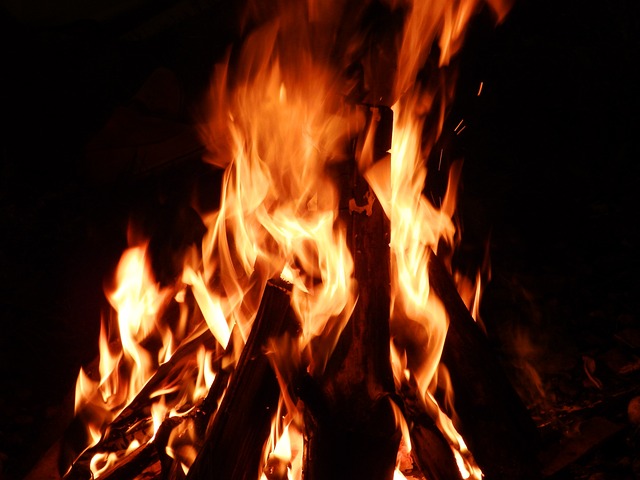
Contents
- 1. Understanding the Potential Risks: Can Gas Fireplaces Emit Carbon Monoxide?
- 2. The Role of Proper Ventilation: Ensuring Safety with Gas Fireplaces
- 3. Carbon Monoxide Detectors: Essential Tools for Gas Fireplace Safety
- 4. Routine Maintenance: Preventing Carbon Monoxide Leaks in Gas Fireplaces
- 5. Recognizing the Symptoms: Identifying Carbon Monoxide Poisoning
- 6. Expert Recommendations: Best Practices for Safe Operation of Gas Fireplaces
- 7. Safety First: Ensuring Family Protection with Gas Fireplaces
1. Understanding the Potential Risks: Can Gas Fireplaces Emit Carbon Monoxide?
Gas fireplaces are a popular choice for many homeowners, as they provide a cozy and efficient way to heat a room. However, it’s important to understand the potential risks associated with these appliances, particularly when it comes to carbon monoxide (CO) emissions. While gas fireplaces can emit small amounts of CO, the risk of exposure is generally low if proper safety measures are followed.
One of the main factors that influence CO emissions from gas fireplaces is the quality of the combustion process. When a gas fireplace is properly installed and maintained, it should burn the fuel cleanly and produce minimal CO. However, if the combustion process is compromised due to poor installation, lack of maintenance, or malfunctioning components, the risk of CO emissions increases.
To ensure the safe operation of a gas fireplace, it’s essential to have it professionally installed and regularly inspected by a qualified technician. They will check for any issues that could affect the combustion process, such as blocked vents, damaged or dirty components, or inadequate ventilation. Regular maintenance, including cleaning and servicing, is also crucial to keep the fireplace operating efficiently and reduce the risk of CO emissions.
In addition to proper installation and maintenance, it’s important to be aware of potential signs of CO buildup. These can include a yellow flame instead of a blue one, soot or other debris around the fireplace, and symptoms of CO poisoning such as headaches, dizziness, nausea, or flu-like symptoms. If you suspect CO emissions from your gas fireplace, it’s crucial to immediately turn off the appliance, ventilate the area, and seek professional assistance.
To further enhance safety, consider installing a carbon monoxide detector near your gas fireplace. These devices can detect elevated levels of CO and alert you to potential risks. Regularly check the batteries and test the functionality of the detector to ensure its reliability.
Remember, while gas fireplaces can emit CO, the risk of exposure can be minimized through proper installation, maintenance, and awareness. By taking these precautions, you can enjoy the warmth and comfort of your gas fireplace without compromising your safety or that of your loved ones. Stay informed and stay safe!

2. The Role of Proper Ventilation: Ensuring Safety with Gas Fireplaces
Gas fireplaces are a popular choice for homeowners looking to add warmth and ambiance to their living spaces. However, it is important to understand the role of proper ventilation in ensuring the safety of gas fireplaces. One of the primary concerns when it comes to gas fireplaces is the potential for carbon monoxide (CO) poisoning.
Carbon monoxide is a colorless and odorless gas that can be produced by gas-burning appliances, including gas fireplaces. When these appliances are not properly ventilated, the gas can accumulate in enclosed spaces, leading to serious health risks. This is why it is crucial to have a well-maintained chimney or flue system in place to remove any harmful gases from your home.
To ensure the safety of your gas fireplace, it is important to have regular inspections and maintenance performed by a qualified professional. They will check for any cracks or leaks in the gas line, as well as ensure that the ventilation system is functioning properly. In addition to this, it is recommended to install a carbon monoxide detector near your gas fireplace, as an added layer of protection.
In conclusion, while gas fireplaces can provide a cozy and inviting atmosphere, it is essential to prioritize safety by ensuring proper ventilation. By taking the necessary precautions and investing in regular maintenance, you can enjoy the warmth and beauty of a gas fireplace without compromising the well-being of your home and loved ones.
3. Carbon Monoxide Detectors: Essential Tools for Gas Fireplace Safety
When it comes to gas fireplaces, there is no denying their allure and cozy ambiance. However, it’s important to prioritize safety along with the warmth they provide. One of the most vital tools for gas fireplace safety is a carbon monoxide detector. This essential device can effectively detect the presence of this odorless and invisible gas, ensuring the well-being of everyone in your household.
While gas fireplaces are designed to burn fuel cleanly and efficiently, there is still a risk of carbon monoxide (CO) emissions. Carbon monoxide is produced when fuel, such as natural gas or propane, doesn’t burn completely. This can be due to factors like improper venting, a malfunctioning fireplace, or blocked flues. Without a carbon monoxide detector, you may not even realize that dangerous levels of CO are present in your home.
Investing in a high-quality carbon monoxide detector is a crucial step in ensuring the safety of your gas fireplace. Here are a few reasons why you should never overlook this essential tool:
Protecting your loved ones: Carbon monoxide is often referred to as the "silent killer" because it is tasteless, odorless, and invisible. Without a detector, it can be impossible to detect its presence. By installing a carbon monoxide detector near your gas fireplace, you can rest assured knowing that it will promptly alert you to any potential danger, allowing you to take immediate action.
Identifying malfunctions: Gas fireplaces can experience mechanical failures or become blocked, leading to CO emissions. A carbon monoxide detector can help identify these issues before they escalate, giving you the opportunity to address them promptly. Regularly checking your detector and ensuring it is functioning correctly can prevent any unexpected emergencies.
- Compliance with safety standards: Many building codes and safety regulations mandate the use of carbon monoxide detectors in homes with gas appliances, including gas fireplaces. By installing a detector, not only are you prioritizing the safety of your household, but you are also meeting legal requirements.
Remember, a carbon monoxide detector should be installed on every level of your home, including outside sleeping areas. Stay proactive and regularly test the battery and functionality of your detector to keep your loved ones safe from the potential hazards of gas fireplaces.
4. Routine Maintenance: Preventing Carbon Monoxide Leaks in Gas Fireplaces
Gas fireplaces can be a cozy and convenient addition to any home, but it’s important to prioritize safety to prevent carbon monoxide leaks. Carbon monoxide is a colorless, odorless gas that can be deadly if not detected early on. Regular maintenance is key to ensuring the safe operation of your gas fireplace and minimizing the risk of carbon monoxide leaks.
Here are a few routine maintenance steps that can help prevent carbon monoxide leaks in gas fireplaces:
Schedule an annual inspection: It’s crucial to have a professional inspect your gas fireplace at least once a year. They will check for any potential issues, such as cracked or corroded components that could lead to leaks. A thorough inspection can identify problems early on and prevent them from escalating into a major safety concern.
Clean the gas fireplace regularly: Over time, dust and debris can accumulate in the fireplace’s components, obstructing proper airflow and increasing the risk of carbon monoxide buildup. Regularly clean the glass doors, burner, and vents to ensure optimal ventilation. Avoid using harsh chemicals that can potentially damage the fireplace; instead, opt for mild soapy water and a soft cloth.
Check for carbon monoxide detectors: Alongside regular maintenance, it’s essential to install carbon monoxide detectors near your gas fireplace and throughout your home. These devices can quickly detect any dangerous levels of carbon monoxide and alert you before it becomes a threat. Remember to test the detectors regularly to ensure they are functioning correctly.
- Properly ventilate your home: Adequate ventilation is crucial when operating a gas fireplace. Ensure that your home has sufficient airflow by opening windows or utilizing a ventilation system. This helps to prevent the accumulation of carbon monoxide and allows fresh air to circulate.
By following these routine maintenance tips, you can enjoy the warmth and ambiance of your gas fireplace while keeping your family safe from carbon monoxide leaks. Don’t take any chances when it comes to gas fireplace safety – prioritize regular maintenance to prevent potential risks. Remember, your safety is our top priority!
5. Recognizing the Symptoms: Identifying Carbon Monoxide Poisoning
Carbon monoxide (CO) poisoning is a serious threat that can occur in any home. It is important to be aware of the symptoms and be able to identify them to ensure the safety of yourself and your loved ones. Here are some key signs to look out for:
Headaches: CO poisoning often presents itself with persistent headaches. If you or anyone in your household experiences frequent headaches that seem to worsen indoors or disappear when you leave the house, it could be a sign of carbon monoxide poisoning.
Nausea and dizziness: Feeling nauseous or dizzy on a regular basis, especially when you are at home, should not be ignored. These symptoms can be a clear indication of exposure to carbon monoxide.
Shortness of breath: Difficulty breathing or shortness of breath is another symptom that should raise concerns. If you find yourself struggling to catch your breath, particularly in your own home, it’s important to consider the possibility of carbon monoxide poisoning.
Confusion and cognitive issues: Carbon monoxide can negatively impact brain function, leading to confusion, memory problems, and difficulty concentrating. If you or others in your household are experiencing unexplained cognitive issues, it’s crucial to consider the potential presence of CO.
- Flu-like symptoms: Sometimes, carbon monoxide poisoning can mimic the flu. Symptoms such as fatigue, chest tightness, and muscle weakness might initially be mistaken for a common illness. However, if these symptoms are persistent and do not improve, it is important to consider carbon monoxide as a potential cause.
It’s important to note that gas fireplaces have the potential to produce carbon monoxide if not properly maintained or vented. Regular inspections by qualified professionals are crucial to ensure the safe operation of gas fireplaces and to prevent carbon monoxide buildup. Installing carbon monoxide detectors in your home is also highly recommended.
Remember, the symptoms of carbon monoxide poisoning are often subtle and can easily be mistaken for other ailments. By recognizing these symptoms and taking appropriate safety measures, you can help protect yourself and your loved ones from the dangers of carbon monoxide. Stay informed, stay safe!
6. Expert Recommendations: Best Practices for Safe Operation of Gas Fireplaces
Gas fireplaces are a popular choice for many homeowners due to their convenience and warmth. However, it’s important to understand the potential risks associated with these appliances, particularly when it comes to carbon monoxide (CO) production. CO is a colorless and odorless gas that can be extremely dangerous if not properly vented.
To ensure safe operation of your gas fireplace, here are some best practices to follow:
Install carbon monoxide detectors: It’s crucial to have CO detectors installed in your home, especially near sleeping areas. These devices can alert you to the presence of CO and give you valuable time to evacuate if necessary.
Regular maintenance: Schedule annual inspections and cleanings for your gas fireplace. A professional technician can check for any potential issues, such as cracks or leaks, and ensure that the ventilation system is functioning correctly.
Keep vents clear: One common mistake is blocking or obstructing the vents of a gas fireplace. This can prevent proper air circulation and increase the risk of CO buildup. Make sure to keep the area around the fireplace free from any objects or debris that may impede airflow.
Ventilation is key: When using your gas fireplace, ensure that the room is well-ventilated. Opening a window or door can help maintain a fresh air supply and prevent CO from accumulating.
- Use the right fuel: Always use the recommended fuel for your gas fireplace. Using improper fuel, such as wood or other flammable materials, can increase the chance of hazardous emissions, including CO.
By following these best practices, you can enjoy the warmth and beauty of your gas fireplace while prioritizing the safety of your household. Remember, proper maintenance and regular inspections are essential for safe operation. Stay informed and take the necessary precautions to prevent the potential risks associated with gas fireplaces.
7. Safety First: Ensuring Family Protection with Gas Fireplaces
Gas fireplaces are a stylish and efficient way to heat your home, but it’s important to prioritize safety, especially when it comes to carbon monoxide (CO) emissions. Carbon monoxide is a colorless and odorless gas that can be deadly. Although gas fireplaces have safety features in place to prevent the release of carbon monoxide, it’s crucial to take extra precautions to ensure your family’s protection.
One of the most effective ways to prevent carbon monoxide buildup is to schedule regular maintenance for your gas fireplace. This includes having a professional technician inspect and clean both the inside and outside of the fireplace, as well as checking for any potential leaks or malfunctions. Regular maintenance not only ensures the safe operation of your gas fireplace but also maximizes its efficiency and lifespan.
Investing in a carbon monoxide detector is another essential safety measure. These devices are designed to detect the presence of carbon monoxide in the air and emit a loud alarm to alert you if levels become dangerous. Install a carbon monoxide detector near your gas fireplace, preferably on the same floor, and test it regularly to ensure it’s functioning properly. Remember to change the batteries at least once a year.
Lastly, always make sure your gas fireplace is properly vented. A vented gas fireplace allows the combustion byproducts, including carbon monoxide, to be safely expelled from your home. It’s crucial to keep the vents clear of any obstructions, such as debris, snow, or animal nests, to avoid blockages that can lead to a dangerous buildup of carbon monoxide.
Taking these safety precautions will help ensure that your family can enjoy the warmth and ambiance of a gas fireplace without compromising their well-being. It’s always better to be proactive and prioritize safety first. I hope you found this article on gas fireplaces and carbon monoxide informative and helpful. Your safety is of utmost importance, especially when it comes to appliances like gas fireplaces. Understanding the potential risks and taking necessary precautions is key to enjoying a warm and cozy atmosphere while keeping your loved ones protected. If you have any further questions or concerns regarding gas fireplaces or any other home safety topics, feel free to reach out. Stay safe and warm!
Get our latest guides, news, and insights highlighted in your Google Search & AI Overviews.


