
Is Tempura Bad for You? Deep-Fried Delicacy Evaluation

Discover the truth about tempura and its impact on your health. Dive into the deep-fried world of this delicacy, uncovering its nutritional value and potential drawbacks.
Contents
- 1. The Science behind Tempura: Understanding the Nutritional Impact of this Deep-Fried Delicacy
- 2. Decoding Tempura Ingredients: Unveiling the Health Benefits and Concerns of this Japanese Classic
- 3. Balancing the Scales: How to Enjoy the Irresistible Taste of Tempura While Maintaining a Healthy Diet
- 4. Tempura vs. Frying: Comparing Cooking Techniques to Make Informed Dietary Choices
- 5. Deep-Fried Delights: Navigating the Guilt-Free Pleasures of Tempura on a Balanced Eating Plan
- 6. A Culinary Delight with a Catch: Weighing the Pros and Cons of Consuming Tempura Regularly
- 7. Satisfying Your Cravings Smartly: Tips for Enjoying Tempura without Compromising Your Health
1. The Science behind Tempura: Understanding the Nutritional Impact of this Deep-Fried Delicacy
As a culinary enthusiast and self-proclaimed foodie, I am often asked about the nutritional value of various dishes. Today, we delve into the realm of tempura – a deep-fried delicacy that has captured the hearts and palates of many. While some may argue that deep-fried foods are automatically unhealthy, let’s explore the science behind tempura to better understand its nutritional impact.
Tempura, a traditional Japanese dish consisting of battered and deep-fried seafood or vegetables, showcases the art of crispy and light frying. Contrary to common perception, this dish can actually offer some nutritional benefits, when prepared mindfully. By understanding the components of tempura and its cooking methods, we can make informed choices about incorporating it into our diets.
The Components:
- Batter: The primary ingredient in tempura is a simple mixture of flour, water, and often egg. The batter’s light and crispy texture is achieved by using ice-cold water and minimal mixing, resulting in less gluten formation. This means that while the covering of tempura does add some calories, it is relatively low in fat.
- Protein: Tempura often uses seafood as its core ingredient, such as shrimp or fish. Seafood serves as an excellent source of lean protein, essential minerals like selenium and iodine, and heart-healthy omega-3 fatty acids.
- Vegetables: Tempura also offers an opportunity to enjoy a variety of vegetables in a unique and flavorful way. Vegetables retain their nutrients to a certain extent, and the quick frying process helps to maintain their texture and slight crunch.
Understanding the nutritional impact of tempura allows us to approach this deep-fried delicacy with more confidence and knowledge. While it is true that consuming excessive amounts of deep-fried foods can lead to health issues, including tempura in moderation as part of a balanced diet can be enjoyed guilt-free, provided it is prepared using quality ingredients and proper cooking techniques.

2. Decoding Tempura Ingredients: Unveiling the Health Benefits and Concerns of this Japanese Classic
Tempura, the crispy and delectable Japanese delicacy, has garnered immense popularity across the globe. But in our quest for culinary pleasure, we cannot ignore the impact it may have on our health. Let’s delve into the ingredients of tempura and unveil both its health benefits and concerns.
1. Flour: The main ingredient in tempura batter is flour, which provides carbohydrates for energy. However, it is important to note that the flour used is typically refined and may lack the essential nutrients found in whole grains.
2. Vegetable Oil: Tempura is traditionally deep-fried in vegetable oil, which gives it that irresistible golden crunch. While vegetable oil is low in saturated fat and cholesterol-free, it is still a source of empty calories. Moderation is key, as excessive consumption of fried foods can lead to weight gain and increased risk of heart disease.
3. Seafood and Vegetables: Tempura often includes a variety of seafood and vegetables, providing an array of nutrients. Seafood options like shrimp, squid, and fish offer lean protein and omega-3 fatty acids, which are beneficial for heart health. Vegetables such as sweet potatoes, broccoli, and bell peppers add color and vitamins to the dish.
4. Sodium and Sodium Intake: The dipping sauce, known as tentsuyu, is traditionally served with tempura. Tentsuyu is made from soy sauce, mirin, and dashi stock. While this sauce enhances the flavor, it also adds to the overall sodium content of the dish. Excessive sodium intake can lead to high blood pressure and other health concerns. It’s advisable to enjoy tempura in moderation and choose lower-sodium alternatives when available.
So, is tempura bad for you? Like many indulgent delights, it’s all about balance. By enjoying tempura as part of a varied and balanced diet, it can be savored without guilt. Remember to embrace portion control and incorporate other wholesome foods into your meals for optimal health.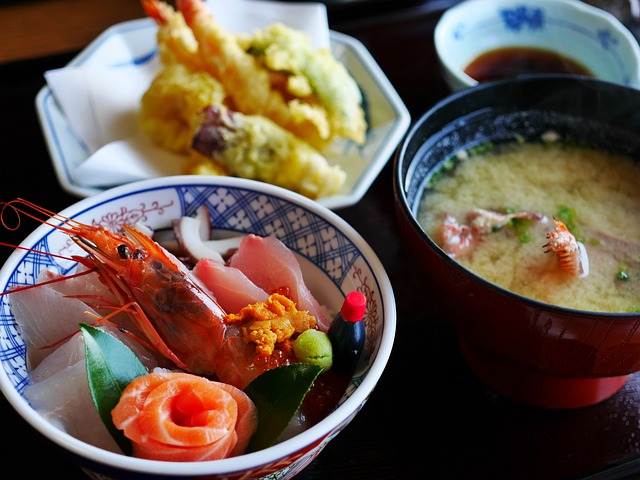
3. Balancing the Scales: How to Enjoy the Irresistible Taste of Tempura While Maintaining a Healthy Diet
Tempura, oh how we love its crispy texture and delightful flavors! But as health-conscious individuals, we often find ourselves questioning its impact on our well-being. Fret not, my dear food enthusiasts, for I am here to shed some light and help you find the right balance between enjoying the irresistible taste of tempura while maintaining a healthy diet.
First and foremost, it’s crucial to understand that tempura is a deep-fried dish. In moderation, indulging in this delicacy can be a satisfying treat. However, excessive consumption may lead to potential health concerns due to its high calorie and fat content. Nevertheless, fear not, as there are ways to relish tempura without compromising your healthy eating habits.
1. Opt for Quality Ingredients: Choosing fresh and high-quality ingredients is essential in preparing a wholesome tempura dish. Look for seasonal vegetables, such as bell peppers, sweet potatoes, or mushrooms, which add both flavor and nutrients to your tempura. By incorporating a variety of colorful vegetables, you’ll be ensuring a well-rounded meal.
2. Mindful Portions: Practice portion control by savoring tempura as part of a balanced meal. Pair it with a bowl of steamed rice, a side salad, or miso soup. This combination will provide you with a more satisfying and nutritious dining experience, without going overboard on the deep-fried goodness.
3. Cooking Techniques: Although traditional tempura is deep-fried, consider alternative cooking methods to achieve a lighter version of this delightful dish. For example, oven-baked or air-fried tempura can help reduce the amount of oil used, resulting in a healthier option that still retains its delectable crunch.
Remember, enjoying tempura doesn’t have to equate to abandoning your health goals. By being mindful of the ingredients, portion sizes, and cooking techniques, you can indulge in the irresistible taste of tempura while keeping your diet in check. So go ahead, treat yourself to this deep-fried delight and relish every crispy bite, guilt-free!
Disclaimer: While this post provides general information, it is not intended to replace professional advice. Always consult with a healthcare or nutrition expert for personalized dietary recommendations.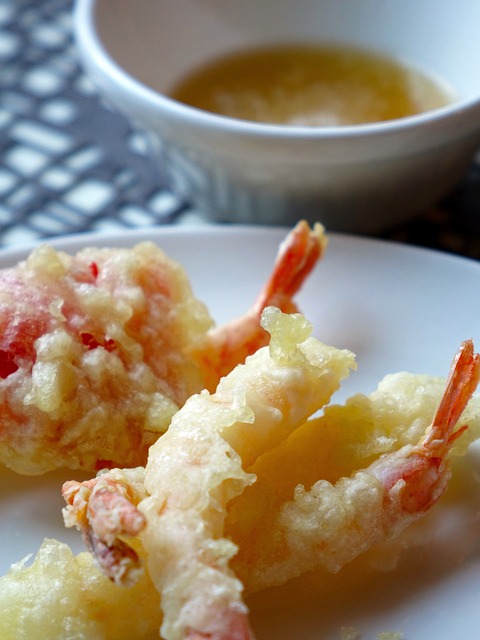
4. Tempura vs. Frying: Comparing Cooking Techniques to Make Informed Dietary Choices
When it comes to cooking techniques, there are many options to choose from, each with its own unique characteristics and effects on the final dish. Two popular techniques that often get compared are tempura and frying. In this post, we will delve into these cooking methods to help you make informed dietary choices.
Tempura, a traditional Japanese dish, involves coating ingredients in a light batter and then deep-frying them until crispy. On the other hand, frying typically involves immersing food in hot oil until it becomes golden and crispy. While both techniques result in a crispy texture, there are some differences to consider.
One key distinction between tempura and frying lies in the types of ingredients used. Tempura often involves using fresh seafood, vegetables, or even herbs. The light and delicate batter used in tempura allows the natural flavors of the ingredients to shine through. Frying, on the other hand, is commonly used for food items like chicken or potatoes, where a thicker, more substantial crust is desired.
From a dietary standpoint, it is worth noting that both techniques involve deep-frying, which can lead to higher calorie and fat content in the finished dish. However, the specific impact on your health depends on various factors, such as portion size, the type of oil used, and frequency of consumption.
When enjoying deep-fried delicacies, it is essential to make mindful choices. Opting for nutrient-rich ingredients like vegetables can contribute to a more balanced meal. Additionally, monitoring portion sizes and moderating frequency can help maintain a healthy diet. So, the next time you have a hankering for a crispy treat, consider the differences between tempura and frying to make an informed decision that suits your individual dietary needs and preferences.
Remember, at the end of the day, cooking techniques should be chosen based on personal taste, health considerations, and overall enjoyment of the culinary experience. Whether you decide to savor the delicate crunch of tempura or indulge in the comfort of classic frying, the key lies in moderation and a well-rounded diet.
When it comes to indulging in the guilty pleasure of deep-fried delights, perhaps no dish is quite as irresistible as tempura. With its light and crispy texture, this traditional Japanese delicacy has gained popularity across the globe. But the burning question remains: is tempura bad for you? Let’s dive in and evaluate the health aspects of this fried treat on a balanced eating plan.
1. Mindful Ingredients:
First and foremost, it’s important to note that tempura is made by coating various ingredients, such as seafood and vegetables, in a light batter before deep-frying them to perfection. While the frying process may raise some concerns, the benefits lie in the ingredients themselves. Opting for fresh, high-quality ingredients ensures a nutritious foundation for your tempura feast.
2. Cooking Technique:
Tempura is traditionally made by using a batter that is light and crispy, as opposed to heavy and greasy. The key here is the cooking technique. When prepared correctly, tempura absorbs less oil, resulting in a more guilt-free experience. Chefs skilled in the art of tempura often use high-quality oils, ensuring that the dish maintains its lightness while still achieving that desirable crunch.
3. Portion Control:
As with any indulgence, moderation is key. While enjoying tempura, it’s essential to practice portion control. Savoring a small serving alongside a variety of other nutrient-rich dishes can help maintain a balanced eating plan. Pairing tempura with a side of fresh, vibrant salads or steamed vegetables provides a well-rounded meal that satisfies both the taste buds and the body.
So, is tempura bad for you? The answer lies not in an outright dismissal of this deep-fried delight but in understanding how to navigate it within the context of a balanced eating plan. By being mindful of the ingredients, cooking technique, and portion control, you can savor the guilt-free pleasures of tempura while still maintaining a healthy lifestyle.
6. A Culinary Delight with a Catch: Weighing the Pros and Cons of Consuming Tempura Regularly
Tempura, a beloved Japanese deep-fried delicacy, holds a special place in the hearts and taste buds of many food enthusiasts. However, like any indulgent treat, there are pros and cons to consuming it regularly. Let’s dive into the world of tempura and evaluate the effects it may have on our health.
On the pro side, one cannot deny the irresistible taste and crispy texture that tempura offers. The dish typically consists of lightly battered and deep-fried seafood or vegetables, resulting in a delightful meal that pleases both the eyes and the palate. It’s a fantastic way to incorporate more seafood and veggies into your diet, as tempura can feature an array of ingredients such as shrimp, squid, pumpkin, eggplant, and more.
However, it’s important to consider the cons as well. Deep-frying, when done improperly, can lead to excessive oil absorption, resulting in a greasy and heavy meal. As we all know, excessive consumption of fried foods can contribute to weight gain and may increase the risk of various health conditions, including heart disease. Furthermore, people with dietary restrictions or health concerns, such as those with gluten sensitivities or high blood pressure, should approach tempura with caution due to the use of wheat-based batter and potential sodium content.
To strike a balance, moderation is key. Enjoying tempura occasionally as part of a varied and balanced diet can be a delightful culinary experience without significant negative impact on your overall health. If you find yourself craving tempura regularly, consider exploring healthier alternatives such as oven-baked or air-fried versions, which can provide a lighter twist on this beloved dish.
Ultimately, the decision to consume tempura regularly depends on your individual health goals, preferences, and dietary needs. As with any food, being aware of the potential pros and cons empowers you to make informed choices that align with your well-being. So, weigh the scales and enjoy tempura with mindfulness and occasional indulgence.
7. Satisfying Your Cravings Smartly: Tips for Enjoying Tempura without Compromising Your Health
Tempura, the beloved Japanese deep-fried delicacy, often leaves us with a lingering question: is it bad for our health? As a passionate chef and SEO copywriter, I’m here to share some tips that will help you satisfy your tempura cravings smartly, without compromising your well-being.
1. Choose the Right Oil:
When it comes to frying, the type of oil you use can make a significant difference. Opt for healthier options like canola, avocado, or peanut oil, which have higher smoke points and contain heart-friendly unsaturated fats. These oils can withstand the high temperatures needed for frying tempura and help maintain the dish’s crispy texture.
2. Control the Temperature:
Proper frying temperature is crucial to ensure that your tempura turns out crispy on the outside and succulent on the inside. Use a deep-fry thermometer to maintain the oil’s temperature around 360-375°F (182-190°C). This prevents the tempura from absorbing excess oil and becoming greasy.
3. Light and Crispy Batter:
The secret of a perfect tempura lies in its light and airy batter. For a healthier alternative, substitute some of the all-purpose flour with whole wheat flour or cornstarch. This creates a more delicate and crispy texture while reducing gluten content. To achieve that ideal consistency, mix the batter until it’s just combined, avoiding overmixing, which can result in a heavy coating.
4. Portion Control:
Enjoying tempura without guilt is all about moderation. Opt for smaller portion sizes and pair your tempura with healthier alternatives. Combine it with a variety of colorful, fresh vegetables or a side salad. This trick not only adds nutrients to your meal but also helps you feel satisfied with fewer tempura pieces.
5. Drain and Pat:
After frying your tempura, place them on a wire rack or paper towel to drain excess oil. Gently pat them with a paper towel to further absorb any surface grease. This simple step can significantly reduce the overall oil content of your tempura without compromising its taste.
Remember, enjoying tempura doesn’t have to be a guilty pleasure. By following these tips, you can savor this deep-fried delicacy while making smart choices for your health. Embrace the art of balance, and let your taste buds experience the crispy, flavorful delight of tempura guilt-free! In conclusion, when it comes to the question of whether tempura is bad for you, it’s important to consider a few key factors. While the deliciously light and crispy texture of tempura may make it hard to resist, it’s worth keeping in mind that it is indeed a deep-fried delicacy. Like any deep-fried food, moderation is key.
While tempura can be enjoyed as part of a balanced diet, it’s important to be mindful of portion sizes and frequency of consumption. Opting for restaurants or home cooking methods that use high-quality oils and fresh ingredients can contribute to a healthier tempura experience.
Additionally, if you have any specific dietary concerns or conditions, such as high cholesterol or gluten sensitivity, it’s best to consult with a healthcare professional or nutritionist before indulging in tempura regularly.
Remember, food should be enjoyed in a way that aligns with both your taste buds and your overall health goals. So treat yourself to tempura from time to time, but always strive for a well-rounded and diverse diet to keep yourself on the path to optimal well-being.
In the end, the choice is yours to make, armed with the knowledge of what goes into making tempura and how it fits into your lifestyle. Happy eating!


