
Is Fluoride from the Dentist Bad for You? Dental Treatment Analysis

Discover the truth about fluoride’s effects on dental health. Our analysis delves into the potential risks and benefits of this common dental treatment.
Contents
- – Understanding Fluoride: Exploring its Effects on Dental Health and Overall Well-being
- - The Science behind Fluoride in Dental Treatments: Benefits and Concerns Unveiled
- – Evaluating the Potential Risks: Debunking Myths Associated with Dentist-prescribed Fluoride
- – Making an Informed Choice: Weighing the Pros and Cons of Fluoride Treatments
- - Ensuring Safety and Effectiveness: Guidelines for Dentist-administered Fluoride
- – Optimal Dental Care: Integrating Fluoride Treatment into Personal Oral Hygiene Routine
- – The Final Verdict: Expert Advice on Fluoride from Dentists and Oral Health Professionals
– Understanding Fluoride: Exploring its Effects on Dental Health and Overall Well-being
Fluoride is a topic that often sparks debates within the dental community and among individuals concerned about their overall well-being. With its prevalence in dental treatments, it’s important to understand the effects of fluoride on both dental health and our general well-being.
Dental Health Benefits:
- Strengthening Tooth Enamel: One of the main benefits of fluoride is its ability to strengthen tooth enamel. Enamel acts as a protective layer for our teeth, and regular exposure to fluoride can help fortify it, preventing tooth decay and cavities.
- Remineralization Process: Fluoride promotes a natural remineralization process, which helps repair damaged enamel. It works by attracting minerals like calcium and phosphate, which are essential for maintaining strong teeth.
Overall Well-being Considerations:
- Safe Levels of Fluoride: While fluoride can provide significant dental benefits, it’s important to consume it in safe levels. The Centers for Disease Control and Prevention (CDC) has established recommended levels of fluoride in community water supplies to ensure both dental health and overall well-being. It’s crucial to respect these guidelines and consult with dental professionals for personalized advice.
- Age-Specific Considerations: The effects of fluoride may vary depending on age. For example, children under six years old may be more susceptible to mild fluorosis if they consume excessive amounts of fluoride. However, this is uncommon when using fluoride-based dental products under adult supervision.
- Individual Susceptibility: As with any substance, individual susceptibility should also be taken into account. Some individuals may experience allergic reactions or heightened sensitivity to fluoride. It’s important to be aware of any personal health conditions and consult with dental professionals to address concerns.
It’s important to approach the topic of fluoride with knowledge and understanding. Discussing the potential effects on dental health and overall well-being is essential to make informed decisions regarding dental treatments and product choices. As always, consulting with dental professionals and staying up-to-date with reputable sources will ensure you’re equipped with accurate information tailored to your needs.

- The Science behind Fluoride in Dental Treatments: Benefits and Concerns Unveiled
Fluoride has been a topic of debate in the dental world for years, with some claiming its efficacy in dental treatments while others express concerns about its potential risks. In this post, we aim to unravel the science behind fluoride in dental treatments and shed light on the benefits and concerns associated with it.
Benefits of Fluoride in Dental Treatments:
- Strengthens tooth enamel: Fluoride helps to strengthen the enamel, the protective outer layer of our teeth. This makes them more resistant to acid attacks from bacteria and sugars in our diet, ultimately reducing the risk of tooth decay.
- Prevents cavities: By remineralizing the weakened areas of enamel, fluoride can prevent the formation of cavities and halt their progression. Regular exposure to fluoride, in appropriate amounts, can significantly reduce the incidence of tooth decay, especially in children and adults at high risk.
- Safe and effective: Extensive research conducted over the years has shown that fluoride, when used in dental treatments, is both safe and effective. Its benefits far outweigh the potential risks, especially when used in recommended amounts.
Concerns about Fluoride in Dental Treatments:
- Dental fluorosis: This is a condition that occurs when excessive fluoride is ingested during tooth development, leading to changes in the appearance of enamel, such as white spotting or streaks. However, dental fluorosis is primarily a cosmetic concern and rarely affects the function or health of the teeth.
- Overexposure to fluoride: While fluoride is beneficial in the right amount, overexposure can lead to adverse effects such as stomachaches, nausea, and even skeletal fluorosis, which affects bone health. However, these risks are associated with ingesting excessive amounts of fluoride, rather than dental treatments or the use of fluoridated toothpaste.
In conclusion, fluoride plays a crucial role in dental treatments, offering benefits like strengthened tooth enamel and cavity prevention. While concerns about dental fluorosis and overexposure exist, when used in appropriate amounts, fluoride is safe and highly effective. As with any dental treatment, it’s always best to consult your dentist who can provide personalized advice based on your specific dental health needs.
– Evaluating the Potential Risks: Debunking Myths Associated with Dentist-prescribed Fluoride
Fluoride has been a topic of debate in recent years, with some questioning its safety and efficacy when prescribed by dentists. In this section, we will evaluate the potential risks associated with dentist-prescribed fluoride and debunk some common myths surrounding this dental treatment.
Firstly, let’s address the myth that fluoride from the dentist is harmful to your health. Contrary to popular belief, when used as directed by dental professionals, fluoride is completely safe and beneficial for your oral health. It helps in strengthening tooth enamel, making it more resistant to decay and cavities. So, rest assured, fluoride is not something to be feared.
Another misconception is that fluoride treatment is only necessary for children. This is not true. People of all ages can benefit from fluoride treatments, as they help prevent tooth decay, strengthen weak areas, and even reverse early signs of tooth decay. Dental professionals can determine the right fluoride treatment plan for each patient, considering their specific needs and oral health condition.
It is important to note that fluoride is just one component of maintaining good oral hygiene. Regular brushing, flossing, and check-ups with your dentist are equally vital. Fluoride treatments should be seen as an additional layer of protection, not a standalone solution. By combining proper oral care practices with dentist-prescribed fluoride, you can ensure a healthy, cavity-free smile.
In conclusion, the potential risks associated with dentist-prescribed fluoride are mostly myths. By debunking these misconceptions, we can reiterate the importance and effectiveness of this dental treatment. Remember, trust your dental professional’s expertise, and rest assured that fluoride, when used correctly, is a valuable tool in maintaining excellent oral health.
– Making an Informed Choice: Weighing the Pros and Cons of Fluoride Treatments
Fluoride treatments at the dentist have long been a topic of debate in the dental community. Some argue that fluoride is essential for maintaining good oral health, while others raise concerns about its potential side effects. As someone who values making informed choices, it’s important to weigh the pros and cons of fluoride treatments before deciding if they are right for you.
Pros of Fluoride Treatments:
Strengthening Tooth Enamel: Fluoride has been proven to strengthen tooth enamel, making it more resistant to acid attacks from plaque bacteria. This can help prevent tooth decay and cavities.
Preventing Tooth Sensitivity: If you have sensitive teeth, fluoride treatments can provide relief by reducing sensitivity and protecting exposed tooth roots.
- Cost-Effective Solution: Compared to more expensive dental procedures, fluoride treatments are a cost-effective way to maintain good oral health. They are relatively quick and easy, requiring no anesthesia or downtime.
Cons of Fluoride Treatments:
Fluorosis Risk: Overexposure to fluoride during the early years of tooth development can lead to a condition called fluorosis, characterized by white spots or streaks on the teeth. However, with controlled and appropriate fluoride usage, the risk of fluorosis is minimal.
Allergic Reactions: While rare, some individuals may experience allergic reactions to fluoride. If you have a known allergy to fluoride, it is important to discuss this with your dentist before receiving any treatments.
- Environmental Concerns: Some argue that excessive use of fluoride can have negative effects on the environment, particularly in terms of water pollution. However, strict regulations and guidelines have been implemented to minimize any potential harm.
Ultimately, the decision to undergo fluoride treatments is a personal one. It is crucial to consult with your dentist, who can evaluate your specific dental needs and provide professional guidance. Remember, an informed choice is the best choice when it comes to your oral health.
- Ensuring Safety and Effectiveness: Guidelines for Dentist-administered Fluoride
Fluoride is a topic that often sparks debates and concerns within the dental community. Many people wonder if fluoride, particularly when administered by dentists, is actually bad for their health. In this post, we aim to provide you with clear guidelines to ensure both safety and effectiveness when it comes to dentist-administered fluoride treatments.
First and foremost, it is important to note that fluoride treatments offered by dentists have been extensively studied and proven to be safe and effective in preventing tooth decay. Dentists have thorough knowledge and understanding of the appropriate fluoride levels required to maintain oral health without causing any harm.
To ensure safety, dentists follow specific guidelines when administering fluoride treatments. These guidelines include:
Determining the appropriate fluoride concentration: Dentists carefully assess the individual needs of each patient, taking into consideration factors such as age, oral health status, and risk of tooth decay. This allows them to determine the correct concentration of fluoride for the most effective results.
Application techniques: Dentists are trained to apply fluoride treatments in a controlled and precise manner. This ensures that the fluoride is applied evenly and only in the necessary areas, preventing any potential overexposure.
- Professional supervision: When receiving a fluoride treatment from a dentist, you can rest assured knowing that you are under the professional supervision of a trained and experienced dental healthcare provider. They will monitor your treatment to ensure its safety and effectiveness.
In conclusion, dentist-administered fluoride treatments are not bad for you when proper guidelines are followed. Rest assured, these treatments are backed by years of research and expertise. By adhering to the guidelines discussed above, both safety and effectiveness are ensured, allowing you to maintain optimal oral health and prevent tooth decay.
– Optimal Dental Care: Integrating Fluoride Treatment into Personal Oral Hygiene Routine
Fluoride has long been a contentious topic in the world of dental care. There are questions surrounding its safety and effectiveness, especially when it comes to fluoride treatment provided by dentists. In this post, we will delve into the subject of Fluoride and its integration into personal oral hygiene routines, aiming to provide a clear and balanced analysis of dental treatment involving fluoride.
First and foremost, it is important to address the concern of whether fluoride from the dentist is bad for you. The answer is a resounding no. Fluoride treatments offered by dental professionals are proven to be safe and highly beneficial for maintaining optimal dental health. Backed by years of scientific research and countless success stories, fluoride treatment plays a significant role in preventing tooth decay and enamel erosion. By promoting remineralization, fluoride strengthens teeth, making them more resistant to acid attacks and preventing cavities from forming. It is a tried and tested method that has proven its efficacy.
Integrating fluoride treatment into your personal oral hygiene routine is simple and highly recommended. It primarily involves using fluoride toothpaste and mouthwash on a daily basis. These products, readily available on the market, contain an optimal concentration of fluoride to provide maximum benefits. Brushing and rinsing with fluoride-based products not only cleans your teeth effectively but also replenishes the fluoride content in your mouth. By consistently incorporating fluoride into your oral hygiene routine, you are equipping your teeth with a powerful protective shield.
In conclusion, fluoride treatment offered by dentists is undeniably advantageous and not detrimental to your health. When integrated into your personal oral hygiene routine, it becomes a crucial ally in the fight against tooth decay and maintaining a healthy smile. So, embrace the power of fluoride and unleash the full potential of your dental care routine.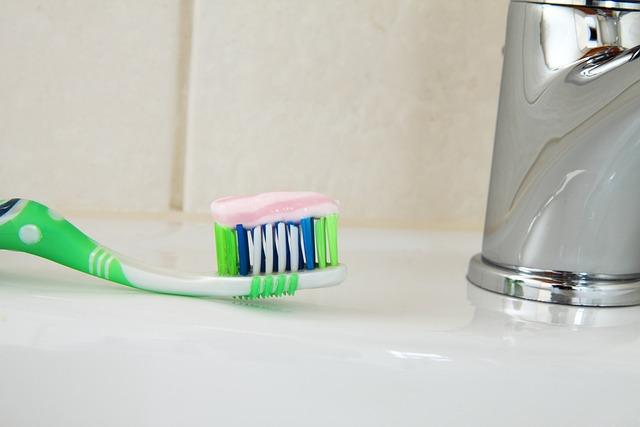
– The Final Verdict: Expert Advice on Fluoride from Dentists and Oral Health Professionals
Fluoride has long been a topic of discussion when it comes to dental health. Many people wonder if the fluoride treatment they receive at their dentist’s office is actually bad for them. As someone who has spent over a decade in the field of oral health, I can confidently say that fluoride is not only safe but also beneficial for our teeth.
Dentists and oral health professionals recommend fluoride treatments for various reasons. Firstly, fluoride helps to strengthen our tooth enamel, making it more resistant to decay and cavities. It does this by remineralizing the enamel, which can be damaged by acids produced by bacteria in our mouths.
Secondly, fluoride has been proven to be effective in preventing tooth decay, especially in children. A study conducted by the Centers for Disease Control and Prevention showed that communities with fluoridated water experienced a 25% reduction in cavities among children. This is a significant statistic that showcases the positive impact of fluoride on oral health.
Furthermore, fluoride treatments are quick, painless, and cost-effective. They can be easily incorporated into your regular dental check-ups, ensuring that your teeth receive the necessary protection against tooth decay. Your dentist will apply fluoride in the form of a gel, varnish, or foam, and you may be asked to avoid eating or drinking for a short period after the treatment for optimal results.
In conclusion, the verdict from dentists and oral health professionals is clear: fluoride is not only safe but also beneficial for your dental health. The regular use of fluoride treatments can help to strengthen your tooth enamel, prevent tooth decay, and ultimately save you from unnecessary dental procedures. Don’t hesitate to consult with your dentist about the best fluoride treatment options for your specific needs. Trust the professionals, and let fluoride be your ally in maintaining a healthy smile! In conclusion, understanding the potential effects and benefits of fluoride from dental treatments is essential for making informed decisions about our oral health. While there may be concerns regarding its safety, it is important to note that fluoride, when used in proper amounts and as recommended by dental professionals, can significantly contribute to the prevention of tooth decay and promote overall dental health.
While some individuals may experience temporary side effects such as mild sensitivity or an upset stomach, these are generally rare and not indicative of any long-term harm. Additionally, it is crucial to remember that fluoride from dental treatments is specifically formulated and administered under professional supervision to ensure its efficacy and safety.
Ultimately, the decision to receive fluoride treatments should be made in consultation with your dentist or oral health professional, who can assess your individual needs and provide personalized recommendations based on your unique oral health circumstances. By maintaining open communication and staying informed, we can confidently navigate the world of dental treatments and make choices that best support our long-term oral health. Remember, a healthy smile is a reflection of a healthy body, and fluoride can be a valuable tool in achieving that goal.
Get our latest guides, news, and insights highlighted in your Google Search & AI Overviews.


