
Is Gravy Good for You? Sauce and Gravy Health Analysis

Discover the nutritional impact of gravy and sauce in our comprehensive health analysis. Is it a guilt-free indulgence? Find out here!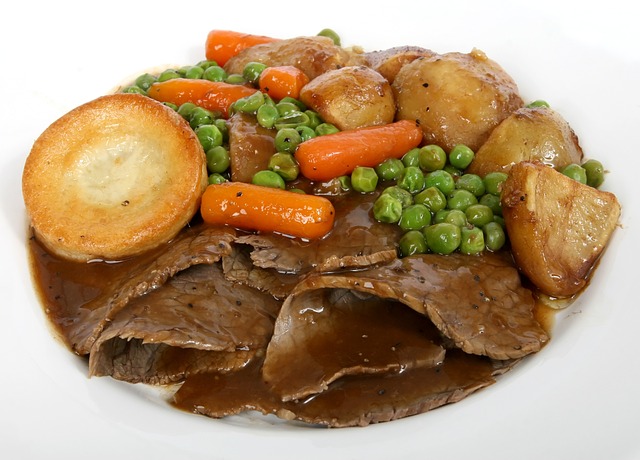
Contents
- – Unveiling the Truth: A Comprehensive Analysis of the Health Benefits of Gravy and Sauce
- – The Science Behind Gravy: Exploring the Nutritional Value and Potential Risks
- – Decoding the Ingredients: Understanding the Impact of Gravy and Sauce on Your Well-being
- – Making an Informed Choice: How Gravy and Sauce Fit into a Balanced Diet
- – The Taste vs. Health Dilemma: Balancing Flavor and Nutritional Value in Gravy and Sauce
- – Exploring Alternative Options: Healthier Alternatives to Traditional Gravy and Sauce
- – Conclusion: Navigating Gravy and Sauce for a Health-Conscious Lifestyle
– Unveiling the Truth: A Comprehensive Analysis of the Health Benefits of Gravy and Sauce
Gravy and sauce have long been beloved condiments in our culinary repertoire, adding flavor, richness, and depth to our favorite dishes. While these delectable accompaniments may be perceived as indulgent or even unhealthy, a closer look reveals a surprising truth – gravy and sauce can offer some unexpected health benefits.
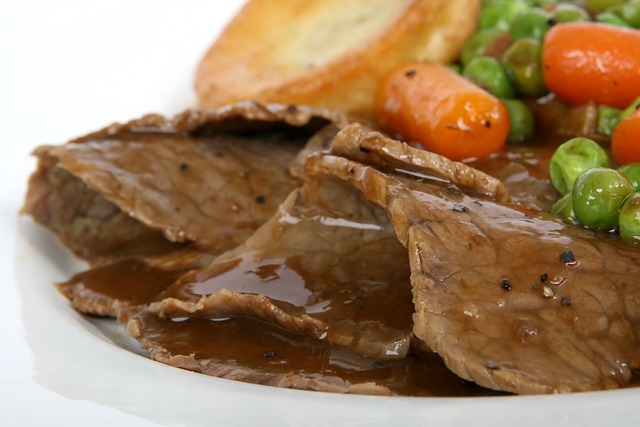
One of the advantages of incorporating gravy and sauce into your meals is their ability to enhance the absorption of important nutrients. The combination of fat and liquid in these delectable concoctions helps our bodies better absorb fat-soluble vitamins, such as vitamins A, D, E, and K, found in the foods we pair with gravy and sauce. So, that luscious drizzle of homemade gravy over your roast beef or the velvety sauce cascading over your pasta could be helping you maximize the nutritional benefits of your meal.
Furthermore, both gravy and sauce can be sources of essential minerals. For example, homemade stock-based gravies often contain traces of minerals like zinc, selenium, and phosphorus, which are vital for our overall well-being. Similarly, sauces made from fresh herbs and vegetables can impart beneficial antioxidants and polyphenols, promoting a healthy immune system and potentially reducing the risk of chronic diseases.
When selecting or preparing your gravies and sauces, keep in mind that moderation is key. Opt for homemade versions to have more control over the ingredients and minimize unwanted additives like excessive salt or artificial flavors. Experiment with adding nutrient-dense ingredients like bone broth, fresh herbs, and natural sweeteners to maximize the health benefits without compromising on taste. So go ahead and savor that rich, flavorful gravy or sauce – not only will it tantalize your taste buds, but it may also provide an unexpected nutritional boost.
– The Science Behind Gravy: Exploring the Nutritional Value and Potential Risks
When it comes to gravy, its delicious aroma and rich, velvety texture can be a true delight for our taste buds. But have you ever stopped to wonder about the science behind this beloved sauce? In this post, we will delve into the nutritional value of gravy and explore the potential risks it may pose to our health.
First and foremost, it’s important to note that gravy, like any other condiment or sauce, can vary greatly in terms of its nutritional content. Depending on the ingredients used and the preparation method, gravy can be a source of various nutrients or potentially detrimental to our health if consumed in excess.
It’s worth mentioning that gravy is typically made using the drippings from cooked meat, combined with flour or cornstarch and seasoned to perfection. This process creates a thick and flavorful sauce that is often enjoyed with meats, potatoes, or bread.
From a nutritional standpoint, gravy can offer some benefits. For instance, it may contain essential vitamins and minerals from the meat drippings, such as iron, zinc, and B vitamins. Additionally, the use of herbs and spices can enhance the flavor profile while providing antioxidants and phytonutrients.
However, it’s essential to be mindful of potential risks associated with gravy consumption. One concern is the high fat content, primarily derived from the meat drippings. Excessive intake of saturated fats can contribute to heart disease and weight gain. Moreover, the addition of salt for seasoning purposes can lead to an increase in sodium intake, which is linked to high blood pressure.
In conclusion, while gravy can be a delicious addition to our meals, it’s crucial to consume it in moderation. By being conscious of the ingredients used and opting for leaner meat drippings and reduced-sodium options, we can enjoy the flavors of gravy while maintaining a balanced and healthy diet. Remember, it’s all about finding the right balance and savoring every spoonful of this classic sauce.
– Decoding the Ingredients: Understanding the Impact of Gravy and Sauce on Your Well-being
When it comes to our favorite comfort foods, gravy and sauce often take center stage. Whether it’s poured over a steaming plate of mashed potatoes or smothering a succulent piece of roast beef, these rich and flavorful accompaniments have the power to enhance any dish. But have you ever wondered about the impact they have on your well-being? In this section, we’ll decode the ingredients and uncover the truth about gravy and sauce, giving you a deeper understanding of their effects on your health.
Gravy, a staple in many cuisines around the world, is typically made from the drippings of cooked meat combined with flour or cornstarch to create a thick and velvety texture. The key to a delicious gravy lies in the meat juice and its seasonings, which add depth and complexity to the overall flavor. While gravy can be a satisfying addition to your meal, it’s important to note that its nutritional value can vary depending on the recipe and ingredients used.
Sauce, on the other hand, comes in a myriad of forms and flavors. From creamy béchamel to tangy tomato-based sauces, each variation brings its own unique taste to the table. While the specific ingredients of a sauce may differ, the purpose remains the same – to enhance the flavors of the main dish. It’s worth noting that some sauces, such as tomato-based ones, can be a good source of essential vitamins and minerals, while others may be higher in sodium or fat content.
When it comes to your well-being, moderation is key. While gravy and sauce can add depth and flavor to your meals, they are often high in calories, fat, and sodium. However, by being mindful of portion sizes and opting for homemade alternatives with fresh, wholesome ingredients, you can enjoy these culinary delights without compromising your health. So go ahead, indulge in the rich goodness of a well-made gravy or sauce, knowing that you have the knowledge to make informed choices about what you put on your plate.
– Making an Informed Choice: How Gravy and Sauce Fit into a Balanced Diet
When it comes to choosing the right condiments for a balanced diet, it’s important to consider the nutritional value and potential health benefits of each option. In this post, we’ll delve into the world of sauces and gravies to help you make an informed choice.
One popular question that often arises is: is gravy good for you? While gravy can be a tasty addition to many dishes, it’s important to consume it in moderation. Gravy is typically made from the drippings of cooked meat, mixed with flour or cornstarch and broth. While it adds flavor and moisture to your meals, it can also be high in sodium and fat content. To keep your diet in balance, opt for homemade gravies that use lean meats, low-sodium broths, and minimal amounts of fat.
Sauce, on the other hand, can be a versatile and nutritious addition to your meals. From tomato-based marinara to creamy alfredo, sauces come in many forms and flavors. One key aspect to consider is the ingredients used. Opting for homemade or store-bought sauces that use fresh, whole ingredients without excessive amounts of added sugar or preservatives is recommended. Additionally, you can enhance the nutritional value of your sauce by adding vegetables like spinach, carrots, or bell peppers for an extra dose of vitamins and fiber.
In conclusion, when it comes to incorporating gravy and sauce into a balanced diet, moderation is key. While gravy should be enjoyed sparingly due to its higher sodium and fat content, sauces can be a healthier option when made with wholesome ingredients. By making informed choices and being mindful of portion sizes, you can indulge in these flavorful accompaniments while still maintaining a well-rounded and nutritious diet.
– The Taste vs. Health Dilemma: Balancing Flavor and Nutritional Value in Gravy and Sauce
Gravy and sauce have long been staple condiments in the culinary world, loved for their ability to enhance the flavors of any dish. But with the growing emphasis on health and nutrition, many people find themselves asking, "Is gravy good for you?" Let’s delve into the taste vs. health dilemma and explore how we can strike a balance between flavor and nutritional value when it comes to these delectable accompaniments.
First and foremost, it’s important to understand that not all gravies and sauces are created equal. Some store-bought varieties are laden with artificial flavors, preservatives, and excessive amounts of sodium, which can be detrimental to our health when consumed in excess. However, when prepared at home using fresh ingredients and a dash of creativity, gravy and sauce can be both flavorful and nutritious.
One way to enhance the nutritional value of your homemade gravy or sauce is by incorporating a variety of herbs and spices. These natural flavor enhancers not only add depth to your dish but also offer a myriad of health benefits. From antioxidant-rich herbs like rosemary and thyme to anti-inflammatory spices such as turmeric and ginger, the options are endless. Experimenting with different combinations will not only tantalize your taste buds but also provide a boost to your overall well-being.
Another important aspect to consider when balancing flavor and nutritional value is the base of your gravy or sauce. Opting for healthier alternatives, such as using vegetable broth or low-fat milk instead of heavy creams or butter, can significantly reduce the calorie and fat content without compromising on taste. Additionally, incorporating fresh vegetables or fruits into your concoctions can add a burst of vitamins, minerals, and fiber.
In conclusion, while it’s true that gravy and sauce can be indulgent, they can also be part of a well-rounded and healthy diet. By making conscious choices in the ingredients we use and the methods of preparation, we can create flavorful gravies and sauces that not only satisfy our taste buds but also contribute to our overall well-being. So why not embark on this delicious journey of balancing flavor and nutritional value in your next homemade gravy or sauce? Your taste buds and body will thank you.
– Exploring Alternative Options: Healthier Alternatives to Traditional Gravy and Sauce
Gravy and sauce have long been beloved staples in the culinary world, adding flavor and richness to countless dishes. However, as we become more health-conscious, it’s important to explore alternative options that can provide the same delicious taste without compromising our well-being. In this post, we will delve into the health analysis of traditional gravy and sauce, while offering some insightful and healthier alternatives for those seeking a guilt-free indulgence.
Traditional gravies and sauces often contain high levels of fats and sodium, which can be detrimental to our health if consumed excessively. These ingredients not only contribute to weight gain but can also lead to elevated cholesterol levels and increased blood pressure. Fortunately, there are many wholesome alternatives available that can satisfy our cravings without the negative health impact.
One great option to consider is using vegetable-based gravies and sauces as a healthier alternative. By utilizing fresh ingredients such as herbs, spices, and vegetable broths, we can create flavorful and nutritious alternatives that are low in fat and sodium. These vegetable-based options not only provide essential nutrients but also offer a deliciously unique twist to your favorite dishes.
Another alternative worth exploring is incorporating homemade yogurt-based sauces into your cooking repertoire. With its creamy texture and tangy taste, yogurt serves as an excellent base for creating flavorful and healthier dressings, dips, and gravies. By experimenting with various herbs, spices, and even fruits, you can create a wide range of delectable yogurt-based sauces that are both satisfying and beneficial to your well-being.
In conclusion, while traditional gravy and sauce may not be the healthiest option for our bodies, exploring alternative choices can open up a world of exciting flavors and textures. By opting for vegetable-based gravies, yogurt-based sauces, or even venturing into the realm of gluten-free or vegan alternatives, we can satisfy our taste buds while nourishing our bodies at the same time. So why not embark on this culinary adventure and discover a whole new realm of healthier alternatives to traditional gravy and sauce?
Navigating the world of gravy and sauce can be a daunting task, especially for those trying to maintain a health-conscious lifestyle. Many people wonder if indulging in these delectable condiments is worth the potential negative impact on their well-being. While it’s important to approach sauce and gravy consumption with moderation, there are ways to enjoy them guilt-free.
One key consideration when evaluating the healthiness of gravy and sauce is the ingredients used. Opting for homemade versions allows you to control what goes into your sauces. By using fresh, wholesome ingredients and avoiding excessive salt, sugar, and preservatives commonly found in store-bought options, you can ensure your sauces are as healthy as can be.
Additionally, the way you incorporate gravy and sauce into your meals matters. Drizzling a small amount of sauce or gravy onto a lean protein, such as grilled chicken or fish, can add flavor without significantly increasing caloric intake. Likewise, using sauces as a dip can make your vegetables or whole grain breads more enticing, encouraging you to incorporate nutrient-rich foods into your diet.
Remember, moderation is key. While gravy and sauce can enhance the taste of your dishes, overindulging can lead to unnecessary calories and potential health risks. Prioritize portion control and savor the flavors mindfully. By striking a balance and being selective with ingredients, you can happily enjoy the occasional gravy or sauce without compromising your health-conscious lifestyle.
To sum it up, understanding the role of gravy and sauce in a health-conscious lifestyle is essential for making informed choices. With homemade options using fresh ingredients, mindful portion control, and a focus on incorporating them into a nutrient-rich diet, you can still savor the deliciousness of gravy and sauce guilt-free. Happy cooking and bon appétit! In conclusion, when it comes to the age-old question of "Is gravy good for you?" the answer lies in the ingredients and choices we make in our culinary journey. While gravy can certainly add a burst of flavor to our meals and bring them to life, it’s important to remember that moderation is key. Opting for lighter alternatives, such as homemade vegetable or broth-based gravies, can be a healthier option without compromising on taste. Remember to be mindful of the amount of fat and sodium content in store-bought or restaurant gravies, as these can often be higher than desired. As with any food, enjoying gravy as a part of a balanced diet is the way to go. So, whether you’re savoring a Sunday roast or whipping up a delightful weeknight dinner, let gravy be a delicious addition to your plate, but always with a conscious eye on the overall nutritional impact of your meal. Happy cooking!
Get our latest guides, news, and insights highlighted in your Google Search & AI Overviews.


