
Is Smoking Meat Good for You? Exploring Flavor

Discover the delectable world of smoked meats! Delve into the flavors and health implications of this cooking method.
Contents
- – The Science behind Smoking Meat: Understanding the Flavor Enhancements
- – Exploring the Health Benefits of Smoking Meat: Fact or Fiction?
- – Choosing the Right Wood for Smoking: Maximizing Flavor and Healthiness
- – Unveiling the Secrets of Low and Slow Smoking: Perfection in Every Bite
- – The Art of Brining: Elevating the Moisture and Flavor of Smoked Meat
- – Sourcing Quality Meats: Ensuring Safe and Healthy Smoking Results
- – The Perfect Pairings: Discovering the Best Flavor Combinations for Smoked Meat
– The Science behind Smoking Meat: Understanding the Flavor Enhancements
Smoking meat is a culinary technique that has been practiced for centuries, and it never fails to impress with its unmistakable flavor and tenderness. But have you ever wondered about the science behind this age-old cooking method? In this post, we will explore the flavor enhancements that smoking meat brings to the table, shedding light on why it has become a favorite technique among chefs and home cooks alike.
One of the key aspects of smoking meat is the infusion of smoky flavors into the food. As the meat cooks, it absorbs the aromatic compounds released by the burning wood or charcoal. These compounds, known as phenols, give the meat its distinct smoky taste and aroma. Additionally, the slow cooking process allows the collagen in the meat to break down, resulting in tender and juicy bites that are simply irresistible.
But the science behind smoking meat goes beyond just the flavor. Smoking also acts as a natural preservative, extending the shelf life of the meat. The smoke contains antimicrobial properties that help inhibit the growth of bacteria, making it an effective method for preserving perishable foods.
When it comes to choosing the right wood for smoking, each type imparts its own unique flavor profile. For example, mesquite wood gives a bold and intense smoky flavor, while fruitwoods like apple and cherry add a subtle sweetness. Experimenting with different wood combinations can elevate your smoking game and open up a world of endless flavor possibilities.
So, is smoking meat good for you? While enjoying smoked meat in moderation is perfectly fine, it’s important to note that excessive consumption may have some health implications. The high heat used in smoking can lead to the formation of potentially harmful compounds called polycyclic aromatic hydrocarbons (PAHs). However, by using proper smoking techniques, such as low temperatures and avoiding direct contact between the meat and flames, you can minimize the formation of these compounds and still enjoy the delicious flavors of smoked meats.
In conclusion, the science behind smoking meat unravels a world of flavor enhancements and preservation techniques. From the aromatic phenols that create the signature smoky taste to the tenderizing effects of slow cooking, smoking meat is indeed a culinary art form. So, whether you’re a seasoned pitmaster or a curious home cook, exploring the realm of smoking meat can bring new dimensions of flavor to your culinary adventures.

– Exploring the Health Benefits of Smoking Meat: Fact or Fiction?
Smoking meat has long been a culinary tradition, offering a unique and irresistible flavor that can elevate any dish. But what about its health benefits? Many have questioned whether smoking meat is actually good for you or just a delicious indulgence.
While the scientific evidence is not definitive, there are several potential health benefits associated with smoking meat. One key advantage lies in the fact that smoking meat requires low temperatures, which can help retain more nutrients compared to other cooking methods. Additionally, smoking meat can add a depth of flavor without the need for excessive salt or other additives, making it a healthier option for those watching their sodium intake.
Furthermore, smoking meat can also help preserve it for longer periods, reducing the risk of spoilage and foodborne illnesses. The process of smoking meat involves exposing it to smoke from burning wood or charcoal, which can act as a natural preservative by inhibiting the growth of harmful bacteria and fungi.
However, it’s important to note that moderation is key. Like any cooking method, excessive consumption of smoked meats can have potential drawbacks. The smoke generated during the cooking process contains compounds called polycyclic aromatic hydrocarbons (PAHs) and heterocyclic amines (HCAs), which have been linked to an increased risk of certain cancers when consumed in large quantities.
To minimize potential health risks associated with smoking meat, it’s crucial to follow safe smoking practices. Use hardwoods like hickory, oak, or apple instead of softwoods, which can release harmful chemicals. Additionally, proper food handling and storage techniques should always be followed to ensure the safety and quality of the smoked meat.
Ultimately, while the flavor and aroma of smoked meat can be truly irresistible, it’s essential to approach it as part of a balanced diet. Incorporating a wide variety of fresh vegetables, lean proteins, and whole grains alongside your smoked culinary creations will help ensure a well-rounded and nutritious eating experience. So, the next time you savor the deliciousness of smoked meat, you can do so knowing that you’re indulging in both flavor and potential health benefits.
– Choosing the Right Wood for Smoking: Maximizing Flavor and Healthiness
When it comes to cooking, nothing quite captures the essence of flavor like smoking meat. The process allows for the infusion of delectable aromas, tender textures, and mouthwatering taste. But have you ever wondered whether smoking meat is actually good for you? Let’s explore the flavors and health considerations of this age-old cooking technique.
Maximizing Flavor:
Choosing the right wood for smoking is crucial to achieving the ultimate flavor profile. Different woods impart unique characteristics to your meats, ranging from sweet and fruity to bold and smoky. For a subtle and mild flavor, try using fruitwoods like apple or cherry. If you crave a stronger taste, opt for hickory or mesquite for that deep, rich smokiness. The choice of wood will greatly enhance the overall experience and create a symphony of flavors on your taste buds.- Healthiness:
While smoking meat undeniably enhances its taste, it’s important to consider the health implications. Smoke contains potentially harmful compounds, such as polycyclic aromatic hydrocarbons (PAHs) and heterocyclic amines (HCAs). These compounds can be carcinogenic when consumed in large quantities. To minimize the risks, follow these tips:- Cook at lower temperatures: Slow smoking at lower temperatures reduces the formation of harmful compounds.
- Use lean meats: Fatty cuts of meat can drip and create more smoke, increasing the exposure to harmful substances.
- Keep it balanced: Enjoy smoked meats as part of a varied and balanced diet. Incorporate plenty of vegetables and other lean proteins to maintain overall healthiness.
In conclusion, smoking meat is a culinary adventure that delights the senses. By choosing the right wood and paying attention to the health considerations, you can ensure a flavorful and enjoyable experience without compromising your well-being. So, fire up the smoker and let your taste buds embark on a journey of tantalizing flavors!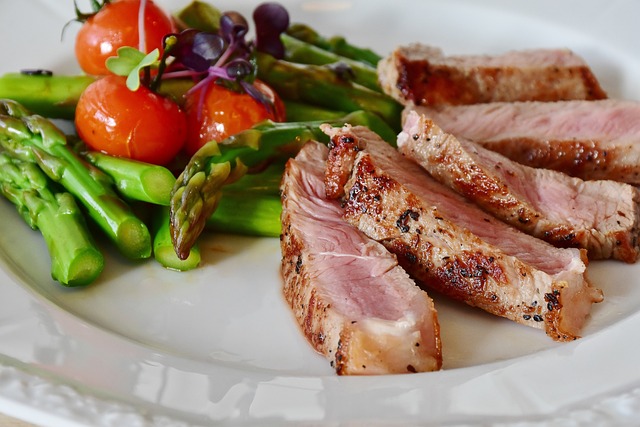
– Unveiling the Secrets of Low and Slow Smoking: Perfection in Every Bite
With each bite, the tantalizing flavor of slow-smoked meat is enough to transport you to culinary nirvana. But beyond the mouthwatering taste, what does smoking meat really do for you? Join us as we delve into the intriguing world of low and slow smoking, uncovering the secrets behind the perfection that lies in every juicy, tender bite.
Smoking meat is a cooking method that dates back centuries and has stood the test of time for good reason. The unique combination of low heat and slow cooking creates a magical alchemy that enhances the natural flavors of the meat. As the meat absorbs the fragrant smoke, it becomes infused with smoky goodness, resulting in a flavor profile that is simply unparalleled.
But it’s not just about the flavor. The slow and steady cooking process breaks down the connective tissues in the meat, rendering it incredibly tender and juicy. This means that every bite is a melt-in-your-mouth experience, where each morsel is bursting with succulence. Additionally, the low temperature of the smoke gently cooks the meat, locking in its natural juices and creating a moisture-rich masterpiece.
If you’re worried about the health implications of smoking meat, fear not. While it’s true that some studies suggest excessive consumption of smoked or barbecued meats may be associated with certain health risks, it’s all about balance and moderation. Enjoying smoked meat as part of a well-rounded and diverse diet can certainly be a flavorful and enjoyable addition.
So, whether you’re a seasoned pitmaster or a curious food enthusiast, low and slow smoking offers a culinary adventure like no other. From the tantalizing flavors to the unbeatable tenderness, smoking meat unlocks a world of delicious possibilities. Experiment with different wood chips, spices, and techniques to further enhance your smoking experience. Smoked ribs, brisket, or even vegetables are just the beginning – embrace the art of low and slow smoking and elevate your meals to new heights.
– The Art of Brining: Elevating the Moisture and Flavor of Smoked Meat
When it comes to smoking meat, there is something truly magical about the process. The combination of smoke, heat, and time results in tender, flavorful meat that is simply irresistible. But have you ever wondered if smoking meat is good for you? In this post, we will explore the flavors and benefits of smoking meat, and why it has become such a beloved cooking technique.
One of the key factors in smoking meat is the art of brining. Brining involves soaking the meat in a solution of salt, sugar, and any additional flavorings for a certain period of time before it is smoked. This process not only adds flavor but also helps to retain moisture, resulting in incredibly juicy and succulent meat. The salt in the brine helps to break down the muscle fibers, allowing the meat to absorb more moisture and flavors during the smoking process. It acts as a natural tenderizer, ensuring that your final product is nothing short of amazing.
Aside from the taste benefits, smoking meat can have some health advantages as well. When meat is smoked, it is cooked at a lower temperature for a longer period of time, allowing the fat to render out slowly. This means that the final product is often leaner than other cooking methods, making it a healthier choice. Additionally, the smoke itself can have some antimicrobial properties, helping to kill off any harmful bacteria present on the meat.
In conclusion, smoking meat can elevate both the flavor and moisture of your dishes. The art of brining plays a crucial role in this process, ensuring that the meat is tender and bursting with delicious flavors. Not only does smoking meat result in delectable dishes, but it can also be a healthier cooking technique. So don’t be afraid to fire up your smoker and embark on a culinary adventure that will delight your taste buds and impress your guests.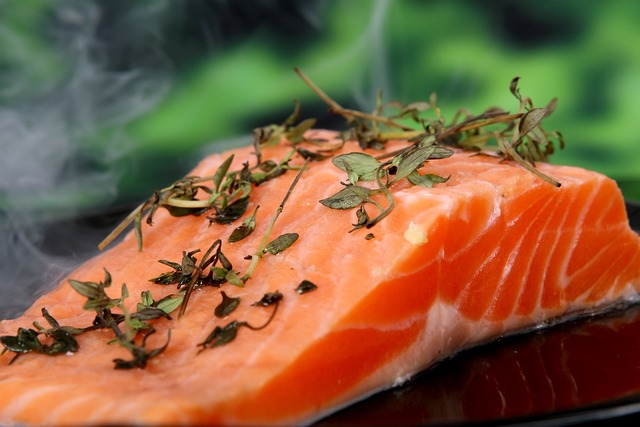
– Sourcing Quality Meats: Ensuring Safe and Healthy Smoking Results
When it comes to smoking meat, achieving that perfect flavor can be a true pinnacle for any culinary enthusiast. But, is smoking meat actually good for you? This post dives into the realm of flavor exploration while ensuring the safety and health of your smoked meats.
One crucial aspect of smoking meat is sourcing quality meats. By selecting high-quality cuts, you can guarantee a safe and delicious smoking experience. Here are a few tips to ensure your meats are of the utmost quality:
Seek out local, organic farms: Local, organic farms often prioritize the well-being of their animals, resulting in healthier and better-tasting meats. Take the time to research and connect with local farmers, ensuring that you’re getting meat that is free from hormones and antibiotics, while supporting sustainable practices.
Opt for grass-fed options: Grass-fed meats tend to have a higher nutrient content, providing essential vitamins and minerals. Additionally, grass-fed animals usually roam freely, leading to leaner cuts of meat. This combination not only contributes to a healthier lifestyle but also enhances the overall flavor profile when smoking.
- Look for reputable suppliers: When you’re unable to source directly from local farms, reputable suppliers can be a reliable alternative. These suppliers often follow strict guidelines and have stringent quality control measures in place. Research suppliers with positive reviews and certifications that guarantee their commitment to quality and safety.
Ensuring the safety of your smoked meats begins with sourcing quality cuts. By carefully selecting your meats, you can take your smoking experience to the next level, both in terms of flavor and overall well-being. Remember, the better the quality, the more satisfying your smoked creations will be!
– The Perfect Pairings: Discovering the Best Flavor Combinations for Smoked Meat
When it comes to cooking, there are few things as satisfying as the smoky flavors of perfectly cooked meat. Whether you’re a seasoned grill master or a culinary novice, exploring the world of smoked meat is a journey worth taking. Not only does smoking meat add a unique depth of flavor, but it also offers a range of health benefits that make it a worthwhile culinary technique to explore.
One of the key advantages of smoking meat is its ability to enhance the natural flavors of the meat itself. The slow cooking process allows the flavors to develop and intensify, resulting in tender, juicy, and flavorful results. From beef brisket to chicken wings, smoking meat unlocks a whole new level of taste and texture that you simply can’t achieve with other cooking methods.
But beyond the incredible taste, smoking meat also offers some surprising health benefits. When meat is smoked, it creates chemical reactions that can help to reduce the formation of harmful compounds such as heterocyclic amines (HCAs) and polycyclic aromatic hydrocarbons (PAHs). These compounds are often formed when meat is cooked at high temperatures, such as grilling or frying, and can potentially be carcinogenic. The slow and steady smoking process helps to minimize their formation, making smoked meat a healthier option.
To truly elevate the flavors of your smoked meat, it’s important to consider the best flavor combinations. Pairing different meats with complementary flavors can take your culinary creations to new heights. Here are some tried-and-true combinations to tantalize your taste buds:
- Smoked pork shoulder with tangy barbecue sauce and coleslaw
- Smoked chicken thighs with a zesty citrus marinade and fresh herbs
- Smoked beef ribs with a bold and spicy dry rub
- Smoked salmon with a sweet and savory maple glaze
Experimenting with different flavor profiles and combinations is part of the fun of smoking meat. Don’t be afraid to get creative and try new things – the possibilities are endless. So fire up your smoker, gather your favorite ingredients, and embark on a flavor-filled adventure with smoked meat. Your taste buds will thank you. In conclusion, it is essential to consider both the flavor and health aspects when it comes to smoking meat. While smoking can enhance the taste of your food and add a unique touch to your culinary creations, it is important to note that there are potential risks associated with this cooking technique. The formation of harmful compounds, such as polycyclic aromatic hydrocarbons, should not be overlooked. Therefore, moderation is key. As with any cooking method, understanding the potential risks helps us make informed choices that align with our personal preferences and health goals. So, whether you decide to embark on a smoking adventure or explore other flavor-enhancing techniques, remember to savor the deliciousness while still prioritizing your well-being. Happy cooking and bon appétit!
Get our latest guides, news, and insights highlighted in your Google Search & AI Overviews.


