
Sauerkraut: The Tangy and Fermented Condiment

Discover the wonders of sauerkraut, a tangy and fermented condiment that adds depth to any dish. Unlock the secrets of this versatile ingredient.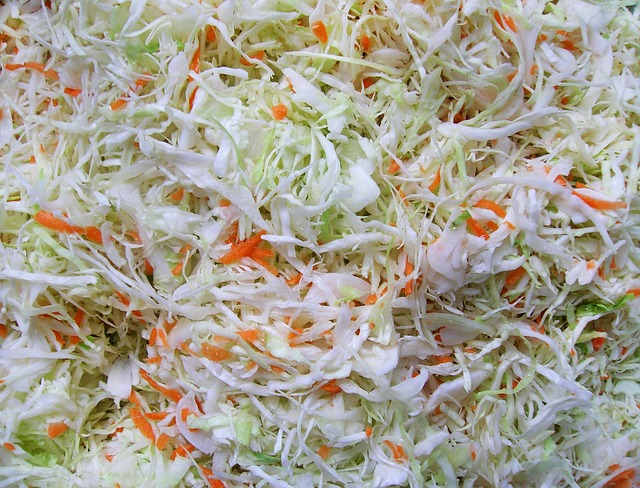
Contents
- 1. Exploring the Rich History of Sauerkraut: From Ancient Fermentation Techniques to Modern Culinary Delights
- 2. The Science Behind Sauerkraut’s Tangy Flavor: How Fermentation Unleashes Probiotic Power
- 3. Choosing the Best Cabbage Variety for Homemade Sauerkraut: Tips for Optimal Taste and Texture
- 4. Step-by-Step Guide: Mastering the Art of Fermenting Sauerkraut at Home
- 5. Unlocking the Health Benefits of Sauerkraut: A Nutritional Powerhouse for Gut Health and Beyond
- 6. Pairing Perfection: Discovering Delicious Ways to Incorporate Sauerkraut into Your Meals
- 7. Sauerkraut Secrets Unveiled: Pro Tips and Troubleshooting for Achieving Perfectly Fermented Results
1. Exploring the Rich History of Sauerkraut: From Ancient Fermentation Techniques to Modern Culinary Delights
Sauerkraut has a fascinating history that stretches back centuries, showcasing the innovative and resourceful nature of humans when it comes to food preservation. From ancient fermentation techniques to modern culinary delights, this tangy and fermented condiment offers a rich array of flavors and health benefits.
Throughout history, sauerkraut has been a staple in many cultures around the world. Its origins can be traced back to ancient China, where the process of fermenting cabbage was first discovered. Over time, this preservation method spread to other parts of Asia and eventually made its way to Europe.
One of the key reasons for sauerkraut’s popularity is its simplicity and versatility. It is made by finely shredding cabbage and fermenting it in brine or its own juice. This process allows beneficial bacteria to thrive, leading to the creation of probiotics that are not only great for gut health but also enhance the flavor of the kraut.
In today’s culinary world, sauerkraut has expanded beyond its traditional uses as a condiment for sausages and hot dogs. Chefs and home cooks are now experimenting with creative ways to incorporate this tangy delight into various dishes. Its unique taste can add a zesty kick to salads, sandwiches, and even tacos. By using sauerkraut as an ingredient, you can elevate the flavors in your dishes and introduce a wholesome element to your meals.
So, whether you’re a sauerkraut aficionado or just starting to explore its wonders, join us on this journey as we delve into the rich history and modern possibilities of this tangy and fermented condiment. Get ready to unlock a whole new world of flavors and discover the delicious potential of sauerkraut in your cooking creations!
2. The Science Behind Sauerkraut’s Tangy Flavor: How Fermentation Unleashes Probiotic Power
Sauerkraut, a tangy and fermented condiment, has gained popularity not only for its distinctive flavor but also for its numerous health benefits. Have you ever wondered what gives sauerkraut its tangy taste? The secret lies in the science behind fermentation, which unleashes the probiotic power hidden within this humble cabbage-based dish.
During the fermentation process, cabbage undergoes a magical transformation. Naturally occurring bacteria present on the cabbage leaves convert the sugars in the cabbage into lactic acid through a process called lacto-fermentation. This lactic acid is what gives sauerkraut its tangy flavor.
But it doesn’t stop there. The fermentation process also creates a rich environment for beneficial bacteria to thrive. These live and active cultures, known as probiotics, not only impart their unique flavor but also offer a range of health benefits. Probiotics support a healthy gut microbiome, boost digestion, and strengthen the immune system.
To fully appreciate sauerkraut’s probiotic power, it’s best to enjoy it in its raw, unpasteurized form. Commercially produced sauerkraut often undergoes pasteurization, a process that kills off the beneficial bacteria. Look for artisanal or homemade sauerkraut to ensure you’re getting the full probiotic goodness.
Incorporating sauerkraut into your meals is easy and offers endless culinary possibilities. Add a dollop of tangy sauerkraut to your favorite sandwiches, top off salads for an extra crunch, or use it as a flavorful ingredient in savory dishes. So go ahead, embrace the probiotic power and elevate your taste buds with the tangy delight of sauerkraut. Your gut will thank you!
Benefits of Sauerkraut:
- Rich in probiotics, promoting a healthy gut microbiome.
- Boosts digestion and nutrient absorption.
- Strengthens the immune system for better overall health.
Enjoying Sauerkraut:
- Look for raw and unpasteurized sauerkraut for maximum probiotic benefits.
- Use sauerkraut as a topping for sandwiches, salads, or as an ingredient in various dishes.
- Experiment with different flavors of sauerkraut, such as caraway seeds or red cabbage, to enhance your culinary creations.
3. Choosing the Best Cabbage Variety for Homemade Sauerkraut: Tips for Optimal Taste and Texture
When it comes to making homemade sauerkraut, the type of cabbage you choose can make all the difference in terms of taste and texture. With so many cabbage varieties available, it’s essential to choose the one that will give your sauerkraut the optimal tangy and fermented flavor. Here are some tips to help you select the best cabbage variety for your sauerkraut creation:
Red Cabbage: Known for its vibrant color, red cabbage is a popular choice for sauerkraut enthusiasts. It not only adds a beautiful hue to your ferment but also offers a slightly sweeter and milder taste. The final result will be tangy and crisp, perfect for adding a pop of color to your meals.
Green Cabbage: The classic choice for sauerkraut, green cabbage provides a traditional taste that most people are familiar with. It has a robust flavor and a crisp texture when fermented, making it the go-to option for a traditional homemade sauerkraut experience.
- Savoy Cabbage: If you’re looking to add a touch of elegance to your sauerkraut, Savoy cabbage is the way to go. With its lacy and crinkled leaves, this cabbage variety offers a delicate flavor that pairs well with other ingredients. It ferments beautifully and results in a sauerkraut that is both visually appealing and delicious.
Remember, choosing the right cabbage variety is just the first step in creating mouthwatering homemade sauerkraut. The quality of the cabbage itself, as well as the fermentation process, will also play crucial roles in achieving the desired outcome. Experiment with different cabbage varieties and fermentation times to find the perfect combination that suits your taste buds. Get ready to enjoy the tangy, fermented goodness that sauerkraut brings to your favorite dishes!
4. Step-by-Step Guide: Mastering the Art of Fermenting Sauerkraut at Home
Sauerkraut: The Tangy and Fermented Condiment
Get ready to embark on a culinary adventure as we dive into the wonderful world of sauerkraut! With its tangy flavor and gut-friendly benefits, sauerkraut has become a staple condiment in many households. However, instead of reaching for store-bought options, why not try your hand at mastering the art of fermenting sauerkraut at home?
To get started, you’ll need just a few simple ingredients: cabbage, salt, and time. Begin by selecting a fresh, crisp cabbage and remove any outer leaves that may be damaged. Slice the cabbage into thin strips, aiming for uniformity to ensure an even fermentation process. Don’t forget to reserve a large cabbage leaf to cover the sauerkraut during fermentation.
Next, place the shredded cabbage in a large mixing bowl and sprinkle it with salt. The salt will help draw out the moisture from the cabbage, creating the perfect environment for fermentation. Mix the cabbage and salt together, using your hands to massage and squeeze the mixture gently. This action will further encourage the release of moisture and break down the cabbage’s cell walls.
Once the cabbage has released enough liquid to cover itself, transfer it to a clean fermentation vessel. This can be a glass jar or a ceramic crock, as long as it’s non-reactive and has a tight-fitting lid. Pack the cabbage tightly into the vessel, ensuring there are no air pockets. Place the reserved cabbage leaf on top, pressing it down to make sure the cabbage is fully submerged in its own brine.
Now it’s time to let nature work its magic! Seal the fermentation vessel and store it in a cool, dark place for at least two weeks. During this time, the naturally occurring bacteria will ferment the cabbage, transforming it into the tangy and probiotic-rich sauerkraut we all love. Remember to burp the vessel every few days to release any built-up pressure.
After the fermentation period, your homemade sauerkraut is ready to enjoy! Its tangy flavor and crunchy texture make it a perfect accompaniment to sandwiches, sausages, and even salads. Plus, the probiotics produced through fermentation promote a healthy gut, making sauerkraut a winning addition to your diet.
So, why not roll up your sleeves and give fermenting sauerkraut at home a try? With just a few simple steps and the passage of time, you’ll be rewarded with a homemade condiment that’s bursting with flavor and nutritional benefits. Happy fermenting!
5. Unlocking the Health Benefits of Sauerkraut: A Nutritional Powerhouse for Gut Health and Beyond
Sauerkraut: The Tangy and Fermented Condiment
Sauerkraut, the ancient food preservation technique that has stood the test of time, is not just a tangy and flavorful addition to your favorite dishes. It is also a powerhouse of health benefits, especially for your gut and overall well-being. This humble fermented condiment is bursting with nutrients and live probiotics that can effectively support digestion and boost your immune system.
When cabbage is fermented, it undergoes a natural process known as lacto-fermentation. This unique process converts the sugars in the cabbage into lactic acid, creating the distinct tang and preserving the cabbage’s nutrients. As a result, sauerkraut becomes a rich source of vitamins C and K, as well as beneficial enzymes that aid in digestion.
But the real secret to sauerkraut’s gut-friendly nature lies in its probiotic content. During fermentation, live bacteria called lactobacilli are produced. These probiotics not only help balance the gut flora but also promote a healthy digestive system. Regular consumption of sauerkraut can ease bloating, regulate bowel movements, and even enhance nutrient absorption.
To fully embrace the health benefits of sauerkraut, it’s crucial to opt for the homemade or artisanal varieties. Store-bought versions often undergo pasteurization, which kills off the beneficial bacteria. So, whether you enjoy sauerkraut on top of your hot dogs or as a delicious side dish, make sure to choose the unpasteurized and refrigerated options to reap all the nutritional goodness.
Incorporating sauerkraut into your diet can be as simple as adding a spoonful to your salads, sandwiches, or even scrambled eggs. The tangy crunch and rich flavor will bring a delightful twist to your favorite meals. So, why not unlock the potential health benefits of sauerkraut and elevate your culinary adventures to a whole new level?
6. Pairing Perfection: Discovering Delicious Ways to Incorporate Sauerkraut into Your Meals
Sauerkraut, the tangy and fermented condiment, is a culinary gem that adds a unique twist to any dish. With its distinct flavor and numerous health benefits, incorporating sauerkraut into your meals is a surefire way to elevate your culinary creations. As an experienced chef with a love for cooking, I have discovered countless delicious ways to pair sauerkraut and enhance the overall dining experience.
Sandwich Sensation: Give your sandwiches a burst of tanginess by adding a generous amount of sauerkraut. Its zesty flavor complements a wide range of ingredients, whether it’s a classic Reuben sandwich, a hearty turkey club, or a vegetarian wrap. The crunchiness of sauerkraut adds a delightful texture and the fermentation process brings out a depth of flavors that will leave your taste buds craving for more.
Sizzling Sauerkraut Stir-Fry: Stir-frying is a quick and easy way to create a flavorful and nutritious meal. Incorporating sauerkraut into your stir-fry adds a tangy twist and balances out the richness of meats and vegetables. Try pairing it with thinly sliced pork, mushrooms, and peppers for a delicious combination of flavors. The natural acidity of sauerkraut also tenderizes the meat, resulting in a tender and juicy dish.
Sauerkraut Slaw Surprise: Move aside, traditional coleslaw! Sauerkraut slaw is the new star of summer BBQs and picnics. The tanginess of sauerkraut pairs perfectly with creamy dressings, creating a refreshing and zesty side dish. Add shredded carrots, thinly sliced red onions, and a dash of apple cider vinegar for an extra kick. This vibrant slaw will not only brighten up your plate but also provide digestion-boosting probiotics.
Delectable Sauerkraut Soup: Warm up your winter nights with a comforting bowl of sauerkraut soup. The fermented flavors of sauerkraut add depth and complexity to the broth, creating a hearty and satisfying meal. Add your choice of protein, such as smoked sausage or tender chicken, and garnish with fresh herbs for a truly delightful experience.
- Sauerkraut Salad Sensation: Salads don’t have to be ordinary and bland. Incorporating sauerkraut into your salads can transform them into a flavor-packed feast. Mix sauerkraut with your favorite greens, such as kale or arugula, and an assortment of colorful vegetables. Top it off with a tangy vinaigrette dressing, and you’ll have a refreshing salad that’s bursting with flavors.
Experimenting with sauerkraut in the kitchen opens up a world of culinary possibilities. Its tangy taste and probiotic properties make it a versatile ingredient that can be added to a variety of dishes. Get creative and let your taste buds take the journey to discover new and delicious ways to incorporate sauerkraut into your meals.
7. Sauerkraut Secrets Unveiled: Pro Tips and Troubleshooting for Achieving Perfectly Fermented Results
Sauerkraut has long been a beloved condiment across many cultures, known for its tangy and fermented taste. In this post, we will delve into the secrets of achieving perfectly fermented sauerkraut, providing you with pro tips and troubleshooting advice that will elevate your culinary skills to the next level.
To start off, one essential aspect of making sauerkraut is selecting the right cabbage. Opt for fresh, organic cabbage as it ensures a better result. Don’t be afraid to experiment with different varieties such as red or Napa cabbage to add a unique twist to your sauerkraut.
Next, it’s all about the preparation. Shred the cabbage finely, either by hand or using a mandoline, ensuring that the pieces are uniform in size. Sprinkle it with a generous amount of salt, as this not only adds flavor but also acts as a natural preservative. Massage the cabbage well to release its juices and encourage fermentation.
Once you’ve packed the cabbage tightly into a jar or fermentation vessel, the magic of fermentation begins. It’s important to create an oxygen-free environment, so press down on the cabbage with a weighted object, such as a small plate or a fermentation weight. This will help the cabbage remain submerged in its own brine, preventing any mold or spoilage.
Now, patience is key. Allow your sauerkraut to ferment at room temperature for about 2-4 weeks, checking it periodically for any signs of discoloration or off-putting odors. A slightly sour smell is normal, but any foul or rotten smells indicate that something has gone wrong.
To troubleshoot common issues, such as mold growth or overly salty sauerkraut, refer to the following tips:
- If mold appears on the surface, simply remove it with a clean spoon or spatula. The sauerkraut beneath is still safe to eat.
- If your sauerkraut turns out too salty, try soaking it in cold water for a few minutes before consuming. This will help to reduce the saltiness.
Remember, practice makes perfect when it comes to sauerkraut. Don’t be discouraged if your first few batches don’t turn out exactly as expected. With time and a little experimentation, you’ll unlock the secrets to achieving flavorful, perfectly fermented sauerkraut that will elevate any dish it accompanies. Thank you for taking the time to explore the fascinating world of sauerkraut with us today. We hope this article has shed some light on the tangy and fermented condiment, and sparked your curiosity to incorporate it into your culinary adventures. With its rich history and wide range of health benefits, sauerkraut truly deserves its place as a staple in kitchens around the world.
Whether you’re a seasoned sauerkraut enthusiast or a curious beginner, experimenting with this versatile ingredient can add a delightful twist to your dishes. From savory side dishes to mouthwatering main courses, sauerkraut has a unique ability to complement and enhance flavors. Its tangy and tangy flavor profile adds a perfect balance, providing that extra oomph to your creations.
Beyond the culinary delights, sauerkraut boasts a multitude of health benefits. Packed with vitamins, minerals, and probiotics, it can aid in digestion, boost your immune system, and support a healthy gut flora. Incorporating sauerkraut into your diet can truly be a flavorful and health-conscious choice.
So, next time you find yourself in the kitchen, don’t hesitate to reach for that jar of sauerkraut. Whether you’re looking to spice up a traditional dish or add a unique twist to a new creation, this tangy and fermented condiment is sure to elevate your cooking game. Let your taste buds embark on an exciting journey, discovering the wonders of sauerkraut, one bite at a time.
Get our latest guides, news, and insights highlighted in your Google Search & AI Overviews.


