
Is Rucking Bad for You? Pros and Cons of Rucking

Discover the truth about rucking as we explore its pros and cons. Understand the impact of this activity on the body and make informed decisions.
Contents
- 1. Understanding the Impact of Rucking on Your Body: Exploring the Pros and Cons
- 2. Debunking Myths and Misconceptions: Is Rucking Really Bad for You?
- 3. Enhancing Muscular Strength and Endurance: The Advantages of Rucking
- 4. Unveiling the Potential Risks: Examining the Disadvantages of Rucking
- 5. Expert Tips for Safe and Effective Rucking: How to Maximize Benefits and Minimize Risks
- 6. Tailoring Rucking to Your Fitness Goals: Customizing Your Rucking Routine
- 7. The Final Verdict: Weighing the Pros and Cons of Rucking for Optimal Health
1. Understanding the Impact of Rucking on Your Body: Exploring the Pros and Cons
Rucking, also known as weighted walking, has gained significant popularity in recent years. It involves carrying a backpack loaded with weights while walking briskly over various terrains. As an enthusiast of outdoor activities and a lover of fitness, I find myself drawn to the concept of rucking. In this post, we will delve into the pros and cons of rucking, shedding light on its impact on the body.
Pros:
Full-body workout: One of the major advantages of rucking is that it engages multiple muscle groups, making it an excellent full-body workout. As you carry the weighted backpack, your shoulders, arms, and back muscles work together to stabilize the load. Additionally, rucking also strengthens your core and leg muscles, resulting in improved overall strength and endurance.
Low-impact exercise: Unlike high-intensity workouts that can put stress on your joints and lead to injuries, rucking is a low-impact exercise. The weight carried in the backpack acts as resistance without causing excessive strain on your joints. This makes it an ideal choice for individuals recovering from injuries or those who prefer a gentler form of exercise.
- Mental relaxation: Rucking not only benefits your physical health but also provides an opportunity for mental relaxation. Walking in nature, enjoying the scenery, and breathing in fresh air can help reduce stress and promote mental well-being. It gives you a chance to unplug from technology and reconnect with yourself, leading to enhanced mental clarity and relaxation.
Cons:
Initial discomfort: When starting with rucking, it’s common to experience some discomfort as your body acclimates to the added weight. It may take time for your muscles to adapt, leading to muscle soreness and fatigue. However, with proper progression and listening to your body, these initial discomforts can be managed effectively.
Risk of overloading: While rucking can be a beneficial exercise, it is crucial to choose the appropriate weight and gradually increase it over time. Overloading the backpack with excessive weight can strain your muscles, joints, and back, potentially leading to injuries. It’s essential to consult with a professional trainer to determine the right weight and ensure proper form to minimize risk.
- Limited cardiovascular benefits: While rucking provides great strength and endurance training, it may not offer the same cardiovascular benefits as high-intensity workouts like running or cycling. If your fitness goals revolve around improving cardiovascular health or burning a significant number of calories, incorporating other forms of exercise alongside rucking may be necessary.
Remember, before starting any exercise routine, it’s essential to consult with a healthcare professional or fitness expert to ensure it aligns with your individual fitness levels and goals. Rucking can be a fantastic addition to your fitness regimen, offering a unique and refreshing way to stay active and maintain a healthy lifestyle.

2. Debunking Myths and Misconceptions: Is Rucking Really Bad for You?
Rucking, the act of carrying a weighted backpack while walking, has gained significant popularity in recent years. However, it has also sparked its fair share of myths and misconceptions. In this post, we aim to debunk these notions and shed light on the real pros and cons of rucking.
One common misconception is that rucking is bad for your joints. Contrary to this belief, when done correctly, rucking can actually strengthen your joints and bones. The weight-bearing nature of this activity helps promote bone density and improve overall joint stability. It’s important to choose the right backpack and weight for your fitness level to minimize any potential discomfort.
Another myth is that rucking only benefits military personnel. While it’s true that rucking is used extensively in the military, it is by no means limited to this group. Rucking can be a great fitness option for anyone looking to improve their endurance, burn calories, and build muscle. It’s a versatile activity that can be modified to suit various fitness levels and goals.
One of the major advantages of rucking is its simplicity. Unlike complex workout routines or expensive gym memberships, all you need is a sturdy backpack, some weight, and a comfortable pair of shoes. Rucking can be done almost anywhere – in your neighborhood, local park, or even on hiking trails. It’s a cost-effective and accessible way to stay active and reap the benefits of aerobic exercise.
In conclusion, rucking is a misunderstood activity that offers a range of advantages. By dispelling the myths and misconceptions surrounding it, we can discover the true potential of rucking for improving fitness and overall well-being. So grab your backpack, find a scenic route, and get ready to enjoy the physical and mental benefits of rucking.
3. Enhancing Muscular Strength and Endurance: The Advantages of Rucking
Rucking, a form of exercise that involves walking with a weighted backpack, has gained popularity in recent years as a way to enhance muscular strength and endurance. But is rucking bad for you? Let’s explore the pros and cons of this unique fitness activity.
One advantage of rucking is that it can help improve muscular strength. The added weight in the backpack increases the resistance, making your muscles work harder during the activity. This can lead to an increase in muscle mass and overall strength. Additionally, rucking engages multiple muscle groups, including the legs, core, and upper body, providing a full-body workout.
Another advantage is the improvement in muscular endurance. Rucking requires you to sustain a consistent pace over a long duration, which challenges your muscles to endure prolonged exertion. This can be particularly beneficial for individuals training for endurance events or those who simply want to build up their stamina.
However, it’s important to consider the potential drawbacks of rucking as well. One disadvantage is the risk of injury. Carrying a heavily loaded backpack can put strain on your joints, particularly if you have poor posture or existing joint issues. It’s crucial to use proper form and gradually increase the weight and duration of your rucking sessions to minimize the risk of injury.
Additionally, rucking may not be suitable for everyone. Individuals with certain medical conditions, such as back problems or heart conditions, should consult with a healthcare professional before engaging in this activity. It’s always important to prioritize your safety and listen to your body’s signals.
In conclusion, rucking can be a beneficial exercise for enhancing muscular strength and endurance. However, it’s crucial to weigh the pros and cons and consider your own individual circumstances before incorporating it into your fitness routine. As with any form of exercise, moderation and proper technique are key to reaping the benefits while minimizing the risks.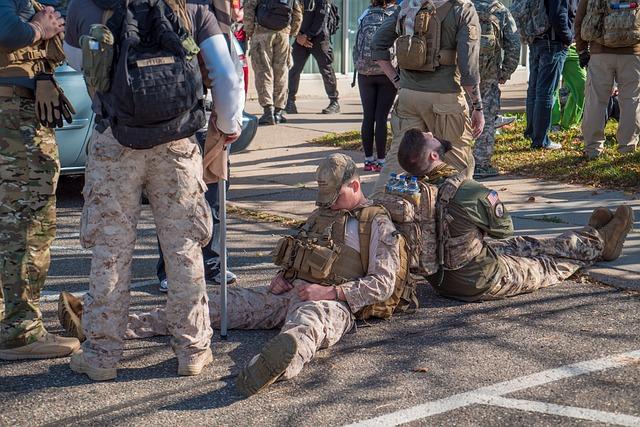
4. Unveiling the Potential Risks: Examining the Disadvantages of Rucking
Rucking, the act of walking with a loaded backpack, has gained popularity as a fitness activity in recent years. It offers a myriad of health benefits, but like any exercise, it is important to consider the potential risks involved. In this section, we will delve into the disadvantages of rucking to ensure you make an informed decision about incorporating it into your routine.
Risk of injury: Rucking puts additional stress on your joints, especially your knees and ankles. The added weight can increase the impact on these areas, potentially leading to strains, sprains, or even more serious injuries. Proper form and technique are crucial to minimize these risks, including maintaining a neutral spine and using your leg muscles to support the weight.
Overtraining potential: Rucking can be intense, particularly if you’re carrying a heavier load or tackling challenging terrain. Overdoing it without allowing sufficient time for recovery can lead to overtraining syndrome. Symptoms may include decreased performance, fatigue, mood swings, and increased susceptibility to illness. It is important to listen to your body and incorporate rest days into your rucking schedule.
Lack of variety: While rucking can be a great workout, it may not offer the same level of variety as other forms of exercise. The repetitive nature of walking with a backpack can become monotonous over time, potentially leading to boredom or a plateau in fitness gains. To combat this, consider incorporating other activities like strength training, yoga, or cycling into your routine to keep things fresh and challenge different muscle groups.
- Equipment costs: While rucking itself can be a relatively low-cost activity, investing in a quality backpack and additional gear such as weight plates or sandbags can add up. It’s important to evaluate your budget and determine if the financial investment aligns with your fitness goals and priorities.
Overall, rucking can be a beneficial form of exercise, providing cardiovascular conditioning, strength building, and mental resilience. However, it is essential to be aware of these potential risks and take necessary precautions to ensure a safe and enjoyable experience. As with any fitness activity, consulting with a healthcare professional or fitness expert is recommended, especially if you have any pre-existing medical conditions or concerns.
5. Expert Tips for Safe and Effective Rucking: How to Maximize Benefits and Minimize Risks
Rucking, a form of exercise that involves walking or hiking with a weighted backpack, has gained popularity in recent years due to its numerous health benefits. However, many individuals wonder if rucking is actually bad for their bodies. In this post, we’ll take a closer look at the pros and cons of rucking, providing you with expert tips on how to maximize the benefits and minimize the risks.
One of the key advantages of rucking is its ability to provide a total body workout. By wearing a weighted backpack, you engage multiple muscle groups, including your legs, core, and arms. This not only helps to strengthen and tone your muscles, but also increases your overall endurance and cardiovascular fitness. Additionally, rucking can be a great alternative to high-impact activities like running, as it puts less strain on your joints, making it a safer option for individuals with joint issues or those recovering from injuries.
However, like any form of exercise, rucking does come with its own set of risks. The extra weight carried during rucking can potentially lead to muscle imbalances or strains if proper form and technique are not followed. To minimize these risks, it is crucial to start with a lighter backpack and gradually increase the weight as your body adapts. It’s also important to maintain proper posture and alignment while rucking, keeping your spine straight and shoulders relaxed.
To maximize the benefits of rucking and minimize the risks, here are some expert tips to keep in mind:
Start slow and gradually increase the weight: Begin with a lighter backpack and gradually add more weight over time. This allows your body to adapt and minimize the risk of injuries.
Focus on maintaining proper form: Keep your back straight, shoulders relaxed, and core engaged while rucking. Avoid arching or rounding your back, as this can lead to strain or discomfort.
- Listen to your body: Pay attention to any signs of discomfort or pain during your rucking sessions. If something doesn’t feel right, it’s important to rest, recover, and seek medical advice if necessary.
By following these expert tips, you can safely and effectively incorporate rucking into your fitness routine, reaping the many benefits it has to offer. Whether you’re looking to improve your cardiovascular health, build strength, or simply enjoy the great outdoors, rucking can be a valuable addition to your exercise regimen.
6. Tailoring Rucking to Your Fitness Goals: Customizing Your Rucking Routine
Rucking, a versatile and effective form of exercise, has been gaining popularity rapidly in recent years. If you are considering incorporating rucking into your fitness routine, it’s important to understand both the pros and cons associated with this unique activity. By tailoring rucking to your specific fitness goals, you can maximize the benefits while minimizing any potential drawbacks.
Pros of Rucking:
Total Body Workout: Rucking engages multiple muscle groups throughout your body, providing a full-body workout that can help build strength and endurance. From your legs and core to your arms and shoulders, every step you take with a loaded backpack challenges your muscles and improves overall strength.
Cardiovascular Health: Rucking is a fantastic way to improve cardiovascular fitness. By increasing your heart rate and breathing intensity, this low-impact activity helps improve lung capacity and circulation, effectively enhancing your overall cardiovascular health.
- Versatility and Accessibility: One of the greatest advantages of rucking is its versatility. You can perform it almost anywhere and with minimal equipment, making it accessible to people of all fitness levels. Whether you choose to walk on city streets, hike through scenic trails, or simply explore your neighborhood, rucking can be tailored to suit your surroundings.
Cons of Rucking:
Joint Impact: While rucking is generally considered a low-impact exercise, the added weight from the backpack can put strain on your joints, especially if you are carrying excessive weight or have pre-existing joint issues. It’s important to start with a manageable weight and gradually increase it to avoid potential joint discomfort.
Time Commitment: Rucking requires time and effort, as you need to allocate sufficient time for longer walks or hikes. If you have a busy schedule, it may be challenging to find enough time for rucking regularly. However, with proper time management and planning, you can easily incorporate rucking into your daily routine.
- Lack of Variety: Although rucking offers a range of benefits, some individuals may find it repetitive over time. Unlike other fitness activities that may involve complex movements or varied equipment, rucking primarily involves walking with a backpack. However, you can combat this by exploring different routes or adding interval training elements to your rucking routine.
Remember, everyone’s fitness goals and limitations are unique, so it’s crucial to customize your rucking routine accordingly. Whether you’re aiming for weight loss, increased strength, or improved cardiovascular fitness, rucking can be an excellent addition to your repertoire. By staying consistent, listening to your body, and making adjustments as needed, you can make rucking work for you and achieve your desired fitness goals.
7. The Final Verdict: Weighing the Pros and Cons of Rucking for Optimal Health
When it comes to rucking, also known as hiking or walking with a loaded backpack, there are various factors to consider in order to determine whether it is beneficial for your overall health. As an avid rucker and lover of outdoor activities, I have explored the pros and cons of this activity and will provide an unbiased analysis for you to make an informed decision.
One of the major benefits of rucking is its ability to improve cardiovascular health. By engaging in this low-impact exercise, you can strengthen your heart and lungs, leading to greater endurance and overall fitness. Additionally, rucking can help you burn calories, making it a great option for weight management.
Furthermore, rucking offers a unique opportunity to strengthen your muscles and bones. The added weight of the backpack challenges your muscles and bones, leading to increased strength and density over time. This can be particularly beneficial for individuals looking to improve their posture and overall stability.
On the other hand, there are some potential drawbacks to consider. Rucking can put additional stress on your joints, especially if you are carrying a heavy backpack or walking on challenging terrain. It is important to start with a lighter load and gradually increase the weight to prevent overexertion and potential injuries. Additionally, if you have any existing joint or back issues, it is advisable to consult with a healthcare professional before engaging in rucking.
To summarize, rucking can be a beneficial activity for your overall health, offering cardiovascular benefits, weight management, and muscle strengthening. However, it is important to approach it with caution and listen to your body’s limits. Start slowly, gradually increase the weight, and be mindful of any pre-existing conditions. With a balanced and informed approach, rucking can be a wonderful addition to your fitness routine. Thank you for taking the time to read this article exploring the pros and cons of rucking. Our goal here is to provide you with informative insights so that you can make an informed decision about incorporating this activity into your fitness routine.
By examining the various advantages and disadvantages, we hope to present a well-rounded perspective that takes into consideration individual needs and goals. As with any form of exercise, rucking has its own set of benefits and potential drawbacks that should be weighed carefully.
Remember, it’s essential to listen to your body and consult with a healthcare professional or fitness expert before starting any new regimen. This will ensure that you are aware of any specific concerns or limitations that may apply to you personally.
In conclusion, rucking can offer unique advantages such as improved cardiovascular health, strengthened muscles, and enhanced mental well-being. Nevertheless, it’s crucial to take precautions to avoid potential injuries or exacerbating existing conditions.
Whether you choose to embrace this activity or explore alternative fitness options, always prioritize your safety and wellness. With the right approach and proper guidance, you can find a routine that suits your needs and helps you reach your personal fitness goals.
Get our latest guides, news, and insights highlighted in your Google Search & AI Overviews.


