Are Onion Rings Bad for You? Fried Onion Analysis

Discover the truth about everyone’s favorite guilty pleasure: fried onion rings. Uncover the hidden health secrets behind this crunchy delicacy.
Contents
- 1. Understanding the Nutritional Impact of Fried Onion Rings: An In-depth Analysis
- 2. Revealing the Truth Behind Fried Onion Rings: Are They Really Unhealthy?
- 3. Decoding the Science: How and Why Onion Rings Become a Less Healthy Snack Option When Fried
- 4. The Role of Ingredients and Cooking Techniques in Making Onion Rings a Guilty Pleasure
- 5. Unveiling the Healthier Alternatives: Making Your Onion Rings More Nutritious and Wholesome
- 6. Making Informed Choices: Balancing Indulgence and Health with Onion Ring Consumption
- 7. Expert Tips and Recommendations for Enjoying Onion Rings in Moderation without Sacrificing Taste or Health
1. Understanding the Nutritional Impact of Fried Onion Rings: An In-depth Analysis
Fried onion rings have long been a beloved snack, often found on menus as an appetizer or side dish. Many people indulge in these deep-fried treats without considering their nutritional impact. In this in-depth analysis, we will explore the question, "Are onion rings bad for you?"
Let’s start by delving into the nutritional composition of fried onion rings. These crispy rings are typically made from sliced onions, coated in a batter, and deep-fried until golden brown. While they may be tempting to devour, it’s crucial to understand the potential health implications.
High in Calories: Fried onion rings are undeniably delicious, but they can pack a caloric punch. One ounce of onion rings, which is typically just a few rings, can contain around 150 calories. This means that indulging in a generous portion can quickly contribute to weight gain if not consumed in moderation.
Excessive Fat Content: One of the main concerns with fried foods is their high fat content, and onion rings are no exception. Deep-frying the rings adds a significant amount of oil to the equation, resulting in a crispy exterior. However, this also means a higher chance of consuming unhealthy trans fats, which can elevate cholesterol levels and pose risks to heart health.
- Limited Nutritional Value: Unfortunately, fried onion rings do not offer much in terms of nutritional benefits. While onions themselves contain vitamins and minerals such as vitamin C and potassium, the frying process diminishes their nutritional value. Additionally, the batter used for coating the rings is often low in nutrients and high in carbohydrates.
That being said, enjoying onion rings occasionally as part of a balanced diet is perfectly fine. Just remember to keep portions in check and pair them with healthier options like a fresh salad or grilled vegetables. Moderation is key to maintaining a well-rounded, nutritious diet.
By understanding the nutritional impact of fried onion rings, you can make informed choices and truly savor these crispy delights without any guilt. So, go ahead and treat yourself, but always strive for a balanced and varied approach to your overall dietary intake.
2. Revealing the Truth Behind Fried Onion Rings: Are They Really Unhealthy?
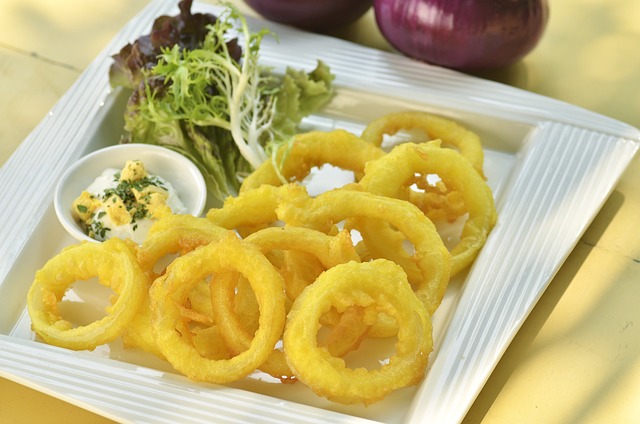
Fried onion rings have long been a beloved indulgence for many, but their reputation as an unhealthy snack often leaves people questioning their nutritional value. Today, we are going to uncover the truth behind these crispy treats and determine if they truly deserve their bad rap.
First and foremost, it’s important to note that fried onion rings are indeed a deep-fried food. As with any fried food, the cooking process involves submerging the onions in hot oil, resulting in a crispy outer coating. However, this crispy exterior is where the real health concerns lie.
One of the main factors contributing to the "unhealthiness" of fried onion rings is their high calorie content. The deep frying process leads to the absorption of oil, significantly increasing the overall calorie count. It’s not uncommon for a single serving of onion rings to pack in more calories than one might expect.
Additionally, the oil used for frying can often be high in unhealthy fats, such as saturated and trans fats. These types of fats are known to raise bad cholesterol levels and increase the risk of heart disease. However, it’s worth noting that not all fried onion rings are created equal. Some establishments may opt for healthier cooking oils, which can help mitigate these risks to some extent.
To add a ray of hope in the onion ring realm, it’s important to recognize that onions themselves offer some nutritional benefits. Onions are low in calories and a good source of vitamin C, fiber, and antioxidants. However, the health benefits of onions are significantly overshadowed by the negative effects of the deep-frying process.
In conclusion, while fried onion rings may be a tasty treat, it’s essential to consume them in moderation and be aware of their potential impact on your overall health. Balancing indulgences with a nutrient-rich diet is key to maintaining a healthy lifestyle.
Now that we’ve uncovered the truth about fried onion rings, the choice is yours. Will you savor them sparingly, or opt for healthier alternatives? Keep in mind that there are ways to enjoy the delicious taste of onions without the excess calories and unhealthy fats. Perhaps consider baked or air-fried onion rings as a healthier substitute.
Remember, knowledge is power when it comes to making informed decisions about your diet. Stay curious, stay informed, and enjoy your culinary adventures!
3. Decoding the Science: How and Why Onion Rings Become a Less Healthy Snack Option When Fried
Onion rings, a popular snack loved by many, often find themselves tangled in a web of health concerns. While they may be irresistibly crispy and delicious, it’s important to understand the science behind onion rings and why they can become a less healthy option when fried.
Firstly, let’s dive into the process of frying onion rings. When heat is applied to the batter coating, a fascinating chemical reaction occurs, known as the Maillard reaction. This reaction causes proteins and sugars in the batter to interact and produce a delightful golden-brown color, along with the enticing aroma and flavors we associate with deep-fried foods. However, this Maillard reaction also leads to the formation of harmful compounds, such as acrylamide and advanced glycation end products (AGEs).
Acrylamide, a potential carcinogen, is formed when starchy foods like onions are heated to high temperatures during frying. These compounds have been linked to various health issues when consumed in excess. AGEs, on the other hand, are formed when proteins and sugars react during the frying process. These compounds can contribute to inflammation and oxidative stress in the body, making fried onion rings less ideal for those seeking a healthier snack option.
So, how can you enjoy onion rings without compromising your health? Here are a few tips to consider:
- Opt for alternative cooking methods like baking or air frying, which can significantly reduce the formation of acrylamide and AGEs.
- Choose whole grain or gluten-free batter options to add nutritional value and minimize the impact on blood sugar levels.
- Control portion sizes and pair onion rings with healthier accompaniments, such as a side salad or grilled vegetables, to create a balanced meal.
By understanding the science behind the less healthy aspects of fried onion rings, you can make informed choices and still enjoy this classic snack in a more wholesome way. Remember, moderation is key when it comes to indulging in any treat, so savor those crispy rings while keeping your overall dietary goals in mind.
4. The Role of Ingredients and Cooking Techniques in Making Onion Rings a Guilty Pleasure
Onion rings have always been a crowd favorite when it comes to guilty pleasures. The crispy exterior combined with the soft and flavorful onion inside is truly a match made in heaven. But have you ever wondered if onion rings are bad for you? In this post, we will delve into the role of ingredients and cooking techniques in making onion rings a delightful treat, while also analyzing their nutritional value.
When it comes to making onion rings, the choice of ingredients and cooking techniques significantly impacts their overall healthiness. The main ingredient, of course, is the onion itself. Rich in fiber, vitamins, and antioxidants, onions provide numerous health benefits. They also add an enticing sweet and savory flavor to our beloved rings.
Now, let’s talk about the cooking techniques. Traditionally, onion rings are deep-fried, which gives them that irresistible crunch. However, frying in oil does add calories and unhealthy fats to the final product. But fear not, there are alternative cooking methods that allow you to enjoy guilt-free onion rings. Baking or air-frying the rings can achieve a similar crispy texture with a fraction of the added fats.
It’s worth noting that moderation is key when enjoying onion rings. While they may not be the healthiest snack option, treating yourself to a delicious plate once in a while won’t have a significant impact on your overall well-being. So go ahead, savor those golden and addictive onion rings, knowing that with a mindful approach to ingredients and cooking techniques, you can still indulge without feeling too guilty.
5. Unveiling the Healthier Alternatives: Making Your Onion Rings More Nutritious and Wholesome
Onion rings, a classic favorite at diners and fast-food joints, have long been associated with indulgence and guilt. Yet, there is no need to feel apprehensive about enjoying this crispy treat. By making a few simple changes to the cooking process and ingredients, you can transform your onion rings into a healthier and more nutritious dish without sacrificing taste or texture.
One way to make your onion rings healthier is by opting for baked instead of fried cooking methods. Baking reduces the amount of oil used, resulting in a lower overall calorie content. To achieve that perfect crunch, try using a combination of panko breadcrumbs and crushed whole wheat crackers as a coating. This not only adds a delightful texture to your onion rings but also increases the fiber content.
Another smart move when preparing onion rings is to choose a healthier oil for frying. Swap out traditional vegetable or canola oil for olive oil or avocado oil. These options contain heart-healthy monounsaturated fats that can help improve cholesterol levels. Additionally, their high smoke points ensure that the oil won’t break down and release harmful compounds during the frying process.
To take the nutrition factor up a notch, consider experimenting with different types of onion. While the most common variety used for onion rings is the yellow onion, you can also try red onions or sweet Vidalia onions for a milder flavor. Red onions, in particular, offer the added bonus of containing higher amounts of antioxidants compared to their yellow counterparts.
Enhancing the nutritional value of onion rings doesn’t stop at the cooking techniques. You can further boost their wholesome nature by serving them with healthier dipping sauces. Consider swapping out the classic creamy mayonnaise-based dips for Greek yogurt-based options or homemade salsa. These alternatives are lower in fat and calories, while still offering a delightful tangy flavor to complement the crispy onion rings.
By following these simple suggestions, you can turn your guilt-inducing onion rings into a guilt-free pleasure. Remember, moderation is key, even when it comes to healthier alternatives. So go ahead, enjoy your revamped onion rings without compromising your taste buds or your health!
6. Making Informed Choices: Balancing Indulgence and Health with Onion Ring Consumption
When it comes to making informed choices about our diet, one can’t help but wonder about the health implications of certain indulgent foods. Onion rings, for instance, have always been a popular side dish or snack option, thanks to their irresistible crunch and savory flavor. However, the question that often arises is whether or not they are bad for our health.
Let’s analyze the facts about fried onions to gain a better understanding. Firstly, it’s important to note that onion rings are typically made by coating onion slices with batter, and then deep-frying them until golden brown. This cooking method gives them their signature crispy texture, but it also means that they absorb a significant amount of oil.
Now, to put things into perspective, moderation is key. While indulging in a few onion rings every now and then won’t do much harm, consuming them excessively or as a regular part of your diet can have negative effects on your health. The high fat and calorie content, combined with the potential for increased sodium intake, can contribute to weight gain, high blood pressure, and other health issues.
If you still want to enjoy this crispy delight without compromising your health, consider these simple tips:
- Opt for oven-baked onion rings instead of deep-fried ones. This method significantly reduces the amount of oil they absorb while still delivering a satisfying crunch.
- Experiment with different coatings for a healthier alternative. Swap out traditional batters for a whole wheat or gluten-free option.
- Add some crunch by incorporating crushed whole grain breadcrumbs or panko in the coating mixture.
By making conscious choices and being mindful of portion sizes, you can strike a balance between indulgence and health when it comes to enjoying onion rings. Remember, it’s all about moderation and finding alternative cooking methods that align with your dietary goals and preferences.
7. Expert Tips and Recommendations for Enjoying Onion Rings in Moderation without Sacrificing Taste or Health
Onion rings, oh how we adore their crispy and golden exterior, paired with a tender and flavorful onion center. But let’s face it, these delectable treats, often fried to perfection, can leave us feeling a tinge of guilt afterwards. Are onion rings bad for you? Well, let’s delve into the fried onion analysis and uncover how we can enjoy this guilty pleasure in moderation without sacrificing taste or health.
1. Bake instead of fry: Enjoying onion rings doesn’t have to mean indulging in a deep-fried feast. Opt for a healthier alternative by baking them. Slice your onions into rings, dip them in a mixture of breadcrumbs, herbs, and spices, and place them on a baking sheet lined with parchment paper. Bake at a high temperature until they turn crisp and golden. This method significantly reduces the amount of oil, making them a lighter and guilt-free option.
2. Choose the right oil: If you do prefer the classic fried version, be mindful of the oil you use. Opt for oils with a higher smoke point, such as canola or vegetable oil, as they can withstand the high heat without breaking down and becoming unhealthy. Avoid using oils like olive or sesame oil, which have lower smoke points and can turn rancid when exposed to prolonged heat.
3. Practice portion control: One of the keys to enjoying onion rings without going overboard is portion control. Instead of devouring an entire plate, savor a smaller serving alongside a well-balanced meal. This way, you can still relish the taste without feeling guilty about the calorie intake.
Remember, it’s all about finding a balance between taste and health. By baking instead of frying, choosing the right oil, and practicing portion control, you can indulge in your favorite onion rings without sacrificing your well-being. So, go ahead and savor the crispy goodness in moderation – your taste buds will thank you! In conclusion, after conducting a thorough analysis of fried onion rings, it is important to present the facts without any personal bias. While many of us enjoy the crispy and irresistible texture of these savory treats, it is essential to acknowledge the potential drawbacks they may present to our health. Moderation is key, as consuming onion rings on a regular basis may contribute to an increased intake of unhealthy fats and excess calories. However, it is worth noting that occasional indulgence poses minimal harm, especially when balanced with a well-rounded diet and active lifestyle. Ultimately, the decision to include onion rings in your diet rests on individual preferences and health goals. Remember, enjoying a variety of nutrient-rich foods and keeping an eye on portion sizes are essential for a balanced approach to eating. Stay knowledgeable, stay mindful, and savor every bite!
Get our latest guides, news, and insights highlighted in your Google Search & AI Overviews.