
Is Cow Foot Good for You? Exploring Unusual Meats

Discover the surprising health benefits of uncommon meats like cow foot. Gain insights on why this delicacy can be a nutritious addition to your diet.
Contents
- 1. The Nutritional Benefits of Adding Unconventional Meats like Cow Foot to Your Diet
- 2. A Closer Look at Cow Foot: A Unique Source of Protein and Essential Nutrients
- 3. Exploring the Culinary Delights of Cow Foot: An Unexpected Addition to Savory Dishes
- 4. How Cow Foot Can Contribute to a Well-Balanced Diet and Support Your Overall Health
- 5. Unusual Meats Unveiled: Debunking Myths and Embracing the Flavors of Cow Foot
- 6. Taking a Step Outside Your Comfort Zone: Discovering the Taste and Texture of Cow Foot
- 7. Embrace the Adventure: Tips for Incorporating Cow Foot into Your Culinary Repertoire
1. The Nutritional Benefits of Adding Unconventional Meats like Cow Foot to Your Diet
Adding unconventional meats like cow foot to your diet can bring a range of nutritional benefits that you may not be aware of. While it may seem like an unusual choice, cow foot is rich in essential nutrients that can support your overall health and well-being.
One of the key benefits of including cow foot in your diet is its high collagen content. Collagen is a protein that plays a vital role in maintaining the strength and elasticity of your skin, hair, and nails. By consuming cow foot, you are providing your body with the necessary building blocks for healthy skin and strong nails.
Additionally, cow foot is a great source of gelatin, which can support joint health and improve digestion. Gelatin helps to strengthen the connective tissues in your body, including your joints. It can also improve the health of your gut by supporting the growth of beneficial gut bacteria.
When it comes to cooking with cow foot, the options are endless. From hearty stews to flavorful soups, this unconventional meat can add depth and richness to your dishes. It pairs well with aromatic spices and herbs, making it a versatile ingredient in a variety of cuisines.
So, next time you are looking to try something different in the kitchen, consider adding cow foot to your grocery list. Explore the nutritional benefits and experiment with flavorful recipes to truly appreciate the unique qualities of this unconventional meat.

2. A Closer Look at Cow Foot: A Unique Source of Protein and Essential Nutrients
Cow foot may not be the first choice of meat for many people, but it is certainly a unique source of protein and essential nutrients. This unusual cut of meat may not be as popular as chicken or beef, but it brings its own distinct flavor and texture to the table.
One of the standout features of cow foot is its high protein content. Protein is an essential macronutrient that plays a crucial role in the growth and repair of body tissues, as well as the production of enzymes and hormones. Just a single serving of cow foot can provide a substantial amount of the protein your body needs.
In addition to protein, cow foot is also a good source of essential nutrients such as collagen, calcium, and iron. Collagen is a protein that is essential for maintaining healthy skin, hair, and nails. Calcium is important for strong bones and teeth, while iron helps in the production of red blood cells and the prevention of anemia.
When it comes to cooking with cow foot, there are numerous delicious possibilities. It can be slow-cooked in stews, braised for soups, or even used as a flavorful addition to traditional dishes. The gelatinous texture and rich flavor of cow foot make it a versatile ingredient that can add depth to any dish.
Next time you’re at the butcher shop or exploring new culinary horizons, consider giving cow foot a try. Not only does it provide a unique and flavorful experience, but it also offers a good dose of protein and essential nutrients. Step out of your comfort zone and discover the hidden gems of the culinary world!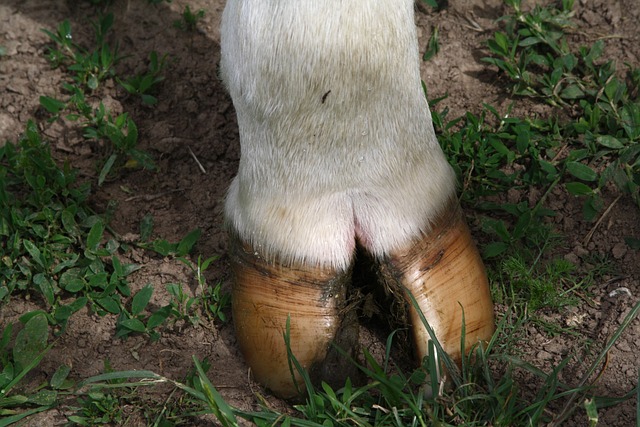
3. Exploring the Culinary Delights of Cow Foot: An Unexpected Addition to Savory Dishes
Cow foot, an unexpected addition to savory dishes, is a culinary delight that has been enjoyed for centuries. This unusual meat may not be as popular as traditional cuts like beef or chicken, but it certainly packs a flavorful punch. You might be wondering, is cow foot good for you? Let’s explore the nutritional benefits and cultural significance of this unique ingredient.
Rich in collagen: Cow foot is known for its high collagen content, which can benefit the health of your skin, hair, and nails. Collagen also aids in joint and bone health, making it a great choice for those looking to support their overall well-being.
Source of essential nutrients: This lesser-known cut of meat is a good source of essential nutrients such as protein, iron, and calcium. Including cow foot in your diet can help meet your daily nutritional requirements and add a distinct flavor to your meals.
- Cultural delicacies: Cow foot is a common ingredient in many traditional cuisines around the world. From mouth-watering stews to flavorful soups, this unique meat adds depth and richness to a variety of dishes. Exploring the culinary delights of cow foot allows you to experience different cultures and broaden your culinary horizons.
In conclusion, cow foot may not be the most conventional meat choice, but it certainly offers a range of benefits for those willing to venture into the world of unusual meats. Its collagen content, nutritional value, and cultural significance make it a worthy addition to your culinary repertoire. So why not give cow foot a try and elevate your savory dishes to new heights?
4. How Cow Foot Can Contribute to a Well-Balanced Diet and Support Your Overall Health
Cow foot, a lesser-known delicacy, has gained popularity in recent years not only for its unique flavor but also for its numerous health benefits. Incorporating cow foot into your diet can be a wise choice, as it provides a range of nutrients essential for a well-balanced and healthy lifestyle.
One of the key reasons why cow foot is good for you is its high protein content. Protein plays a vital role in building and repairing tissues, promoting muscle growth, and supporting overall body function. Including cow foot in your diet can help ensure you meet your daily protein requirements. Additionally, cow foot is a good source of collagen, a type of protein known for its ability to strengthen joints, improve skin elasticity, and support gut health.
Furthermore, cow foot is rich in essential vitamins and minerals that are necessary to maintain good health. It is particularly high in iron, which is crucial for red blood cell production and oxygen transportation throughout the body. Moreover, cow foot contains significant amounts of calcium, phosphorus, and magnesium, all of which contribute to healthy bones, teeth, and overall bone strength.
When cooking with cow foot, there are various delicious recipes to explore. From spicy stews to flavorful soups, cow foot can lend a unique taste and texture to your culinary creations. Whether you choose to slow-cook it for hours to extract maximum flavor or sauté it with aromatic herbs and spices, cow foot can truly elevate your cooking experience.
Incorporating unusual meats like cow foot into your diet not only adds variety to your meals but also provides unique health benefits. So why not venture out of your comfort zone and give cow foot a try? Explore the exciting world of unconventional meats and discover the flavors and benefits they have to offer.
5. Unusual Meats Unveiled: Debunking Myths and Embracing the Flavors of Cow Foot
Cow foot, while not a commonly consumed meat in many Western cultures, is a delicacy in various parts of the world. In this section, we will debunk some common myths surrounding unusual meats and explore the flavors of cow foot.
Contrary to popular belief, cow foot is not only flavorful but also nutritious. This unique cut of meat is rich in collagen, a protein that helps improve joint health and enhances the elasticity of our skin. Additionally, it is an excellent source of vitamins and minerals, including iron, zinc, and calcium, which are essential for maintaining a balanced diet.
When cooked properly, cow foot can be incredibly tender and succulent. Its meaty texture adds a depth of flavor to stews, soups, and curries. It pairs particularly well with aromatic spices and hearty vegetables. Whether you are a culinary adventurous or simply looking to expand your palate, embracing the flavors of cow foot can be a delightful experience.
Here are a few ideas to incorporate cow foot into your cooking repertoire:
- Slow-cook cow foot in a rich tomato-based stew for a savory and satisfying meal.
- Braise cow foot with aromatic spices like cumin, cloves, and cinnamon, for a fragrant and exotic dish.
- Create a hearty soup by simmering cow foot with vegetables, herbs, and a touch of lemon for a refreshing twist.
Embrace the world of unusual meats and open your taste buds to the unique flavors that cow foot has to offer. Be bold in your culinary exploration and savor the hidden gems of different cuisines. So, the next time you come across cow foot in your local butcher shop or at a specialty market, don’t hesitate to give it a try – you might just discover a new favorite.
6. Taking a Step Outside Your Comfort Zone: Discovering the Taste and Texture of Cow Foot
Cow foot is a unique and unusual meat that may not be at the top of your shopping list. However, taking a step outside your comfort zone and exploring the taste and texture of cow foot can be a delightful and rewarding experience.
One of the first things you may be wondering is whether cow foot is good for you. The answer is a resounding yes! Cow foot is a rich source of collagen, which is not only great for your skin but also for your joints and gut health. Collagen helps to strengthen connective tissues and improve digestion. So, if you’re looking to improve your overall health and well-being, incorporating cow foot into your diet can be a wise choice.
In terms of taste and texture, cow foot offers a unique culinary experience. It is tender yet slightly gelatinous, with a rich and flavorful taste. This meat is often used in hearty stews and soups, where it adds a depth of flavor and a rich, velvety texture. It pairs well with aromatic herbs and spices, making it a versatile ingredient in various dishes from around the world.
So, why not take a leap of faith and try cooking with cow foot? You might just discover a new favorite ingredient that adds excitement and a touch of adventure to your culinary repertoire. Whether you choose to braise it, stew it, or add it to soups, embracing the taste and texture of cow foot is an exploration worth undertaking.
7. Embrace the Adventure: Tips for Incorporating Cow Foot into Your Culinary Repertoire
Cow foot may not be the most conventional choice when it comes to meats, but it’s certainly a unique culinary adventure worth embarking on. This extraordinary ingredient can add a depth of flavor and texture to your dishes that you won’t find in more typical cuts of meat. Here are some valuable tips to help you make the most of incorporating cow foot into your culinary repertoire.
Slow cooking is key: Cow foot is known for its tough texture, but don’t let that discourage you. By slow cooking this cut of meat, you can transform it into tender and succulent bites that will melt in your mouth. Whether you’re making a savory stew or a hearty soup, allowing the cow foot to simmer gently over low heat will work wonders in achieving that perfect tenderness.
Flavorful marinades: If you want to take your cow foot dishes to the next level, consider marinating the meat beforehand. Cow foot has a relatively mild taste on its own, but by infusing it with your favorite seasonings, herbs, and spices, you can enhance its flavor profile and create a truly memorable dish. A combination of garlic, thyme, paprika, and soy sauce can work wonders in giving your cow foot a deliciously bold and aromatic kick.
Get creative with seasonings: Don’t be afraid to experiment with different flavor combinations when seasoning your cow foot dishes. Whether you prefer a spicy Cajun twist or a milder blend of herbs and spices, let your taste buds guide your choices. Bold flavors like cumin, coriander, and chili can add depth and complexity to your cow foot creations, making them truly unforgettable culinary experiences.
Nutritional benefits: Besides its unique taste and texture, cow foot can also offer some nutritional benefits. It is an excellent source of collagen, which can support healthy skin, hair, and joint health. Additionally, cow foot is rich in essential amino acids that promote muscle growth and repair. With its protein-packed goodness, incorporating cow foot into your diet can be a delicious way to support your overall health and wellbeing.
- Experiment and enjoy: Remember, the key to embracing the adventure of cooking with unusual meats like cow foot is to have fun and let your creativity run wild. Don’t be afraid to try new recipes, experiment with different cooking techniques, and adapt flavors to suit your personal taste preferences. Embrace the uniqueness and savor every bite of your cow foot creations – you might just discover a new favorite ingredient in your culinary repertoire! In conclusion, after exploring the topic of unusual meats, it is safe to say that cow foot can indeed be good for you. While it may not be a mainstream choice in many Western cuisines, it offers a unique taste and a plethora of health benefits. Packed with collagen, essential amino acids, and minerals like calcium and iron, cow foot can contribute to the overall well-being of your joints, skin, and bones. However, it is crucial to remember that moderation is key when incorporating any meat into your diet. As with any culinary adventure, it’s always fascinating to step out of our comfort zones and explore the vast array of flavors that different cultures have to offer. So, if you’re feeling adventurous and want to try something new, why not give cow foot a chance in your next culinary endeavor? Happy cooking and bon appétit!
Get our latest guides, news, and insights highlighted in your Google Search & AI Overviews.


