
Is Biting Your Cheeks Bad for You? Cheek-Biting Effects
Cheek-biting can lead to pain, infections, and even oral health issues. To prevent these effects, try to identify triggers and find healthy ways to cope.
Food encompasses all metabolizable organic and inorganic substances ingested by the human body to supply essential macronutrients, micronutrients, and biochemical energy necessary for cellular homeostasis, tissue maintenance, and metabolic regulation.
Mastering coastal seafood preparation, mayonnaise-dijon binding chemistry, and blue crab moisture preservation.
Exploration of sugar panning technology, micro-crystalline sucrose layers, and malic-acid sour flavor dynamics.
Scientific evaluation of cellular fluid transport, sodium-glucose cotransport mechanisms, and isotonic balance.
Formulating keto-compliant frozen confections using non-caloric sweeteners, natural colorants, and gelatin matrices.
Food science operates at the convergence of organic chemistry, thermal thermodynamics, microbiology, and human physiological nutrition. Every dietary ingredient comprises complex matrices of proteins, lipids, carbohydrates, water, and bioactive micronutrients whose molecular conformations dictate culinary behavior and biological uptake. When heat is applied during cooking, proteins denature and coagulate, starches undergo gelatinization, and reducing sugars react with amino acids via the non-enzymatic Maillard reaction, producing thousands of aromatic volatile compounds that define flavor complexity and surface caramelization.
Nutrient bioavailability—the fraction of an ingested compound that reaches systemic circulation—is fundamentally altered by culinary preparation techniques. While water-soluble vitamins like ascorbic acid (Vitamin C) and thiamine exhibit vulnerability to prolonged thermal exposure and leaching, fat-soluble carotenoids (such as lycopene in tomatoes and beta-carotene in carrots) demonstrate significantly enhanced cellular absorption when cooked in the presence of lipid carriers like extra virgin olive oil. Understanding these synergistic food matrix interactions bridges the gap between culinary gastronomy and human metabolic wellness.
Modern food processing methodologies range from primary ancestral preservation techniques—such as fermentation, dehydration, and lactic acidification—to advanced industrial stabilization methods like nitrogen-flushing, flash-freezing, and high-pressure processing (HPP). Evaluating foods along the NOVA classification spectrum allows consumers and culinary practitioners to distinguish between nutrient-dense whole food matrices and ultra-processed formulations engineered for hyper-palatability, providing an empirical framework for healthy dietary curation.
| Food Matrix Component | Key Biochemical Function | Culinary Transformation Mechanism | Bioavailability Modulator |
|---|---|---|---|
| Structural Proteins | Tissue synthesis & enzyme formation | Thermal denaturation & enzymatic coagulation | Cooking improves amino acid digestibility |
| Complex Carbohydrates | Sustained glycemic energy & fiber | Starch gelatinization & retrogradation | Cooling starchy foods creates resistant starch |
| Dietary Lipids | Hormone synthesis & cell membranes | Lipid oxidation & emulsion stabilization | Carries fat-soluble vitamins (A, D, E, K) |
| Polyphenols & Antioxidants | Cellular defense & inflammation balance | Degradation vs release from plant cell walls | Gentle steaming preserves heat-sensitive antioxidants |
Culinary arts focuses on sensory flavor balance, plating aesthetics, and recipe execution, whereas food science investigates the physical, chemical, and biological properties of food ingredients and their preservation mechanics.
Water-soluble vitamins (B-complex and C) leach into boiling liquids and degrade under sustained heat. Steaming, roasting, and quick sautéing minimize nutrient leaching while breaking down fibrous cell walls to release fat-soluble antioxidants.
Ultra-processed foods (NOVA Group 4) are industrial formulations consisting mostly of substances derived from foods (e.g. hydrogenated oils, modified starches, protein isolates) combined with cosmetic additives, flavor enhancers, and emulsifiers.
Heat denatures dense secondary and tertiary protein structures, unfolding tightly coiled polypeptide chains so that digestive proteases (pepsin, trypsin) can readily cleave peptide bonds.

Cheek-biting can lead to pain, infections, and even oral health issues. To prevent these effects, try to identify triggers and find healthy ways to cope.
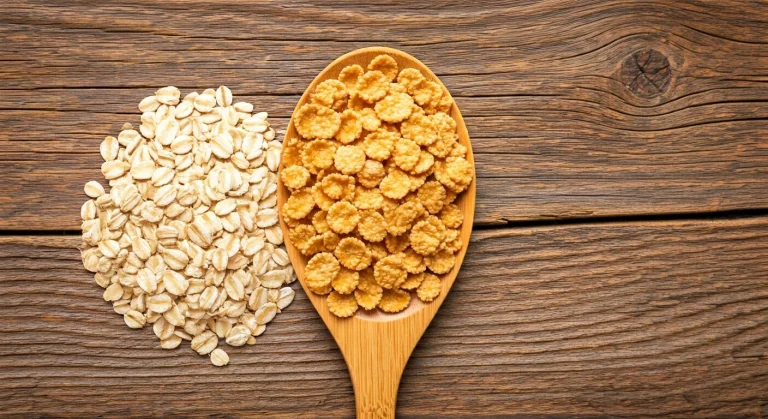
While burnt marshmallows may not look appetizing, they are not necessarily bad for you. However, consuming charred foods regularly may expose you to potentially harmful compounds. It’s best to enjoy marshmallows cooked to a golden brown for a healthier treat.

Are you curious about the health impact of consuming Mentos? Minty myths have swirled around for years, but it’s time to debunk them. Contrary to popular belief, Mentos alone won’t harm you. However, moderation is key as excessive consumption may lead to sugar-related issues. Enjoy Mentos as an occasional treat and savor their refreshing taste!

Vienna sausages can be a convenient snack, but are they good for you? Let’s explore the canned sausage nutrition to determine if they fit into a balanced diet.

Suja Juice offers several health advantages due to its fresh, organic ingredients and low sugar content. Rich in vitamins and antioxidants, it can boost immunity and improve digestion. However, it’s important to consume in moderation as part of a balanced diet.

Takis, the fiery and addictive snack, have gained popularity in recent years. However, their ingredients raise concerns about their impact on health. Packed with excessive artificial additives, high sodium levels, and unhealthy fats, Takis can harm your body if consumed frequently. These fiery treats may satisfy your taste buds, but moderation is crucial to protect your well-being. So, think twice before indulging in this spicy snack.

Shredded Wheat cereal can be a healthy breakfast option due to its high fiber content and minimal ingredients. It can help you feel full and satisfied throughout the morning, making it a great choice for those looking to start their day off right.

Monster Rehab energy drinks contain high levels of caffeine and sugar, which can lead to health issues if consumed in excess. It is important to moderate your intake and be aware of the potential risks associated with energy drinks.

Are Fruity Pebbles bad for you? This popular cereal may be tasty, but it’s high in sugar and artificial ingredients. Moderation is key when indulging in these sugary delights.

Fruity Pebbles, a childhood favorite, may seem delightful, yet it’s crucial to consider its nutritional impact. This sugary cereal may lack vital nutrients and contain excessive sugar, leading to potential health concerns. Awareness of portion sizes and moderation is key when indulging in this colorful bowl of nostalgia. Let’s delve into an analysis that reveals the hidden truths behind Fruity Pebbles.

Pepper seeds contain essential nutrients like fiber, vitamins, and minerals that can benefit your health. Including them in your diet can improve digestion and boost immunity. Learn more about the nutritional benefits of pepper seeds in this article.

Discover the dark side of soda with a closer look at why Dr. Pepper may be harmful to your health. From high sugar content to artificial ingredients, learn the potential risks associated with this popular beverage.

Chili beans are not only delicious but also good for your health. Packed with fiber, protein, and essential nutrients, they can help lower cholesterol, regulate blood sugar, and aid in weight management. Add them to your diet for a tasty and nutritious boost!

Italian ice can be a refreshing treat on a hot day, but is it bad for you? Let’s evaluate this frozen dessert to determine if it fits into a healthy diet.

Amino Energy, a popular amino acid drink, has become a topic of concern for many health enthusiasts. While it offers various benefits for workouts and recovery, it’s essential to understand the facts. This article aims to provide a clear and unbiased perspective on whether Amino Energy can potentially have any adverse effects on your health. Let’s delve into the subject and uncover the truth behind this popular energy drink.

White Zinfandel is a popular wine variety, but is it good for your health? While moderation is key, research suggests that a moderate consumption of white Zinfandel can offer health benefits. Packed with antioxidants and lower in alcohol content, it may reduce the risk of heart disease and certain types of cancer. Remember, always consult with your healthcare provider for personalized advice. Cheers to enjoying wine responsibly and reaping its potential benefits!

Orgain is a remarkable brand that offers organic nutrition options for health enthusiasts. Their products are crafted with utmost care, ensuring the use of high-quality ingredients that are free from artificial additives. Packed with essential nutrients, Orgain’s range caters to various dietary needs, making it a go-to choice for those seeking genuinely wholesome nutrition. With their commitment to organic sourcing, you can trust that Orgain is good for you, supporting a healthier lifestyle effortlessly.
Find out if Lifesavers are a healthy treat or a sugar bomb! Our candy nutrition analysis breaks down the ingredients and offers insights on how to enjoy them in moderation.

Jack Links jerky snacks can be a tasty and convenient protein option. However, it’s important to note that they are high in sodium and may contain preservatives. Enjoy in moderation as part of a balanced diet.

Biolyte is a popular electrolyte drink that can be beneficial for replenishing lost nutrients during physical activity or illness. It contains essential minerals like potassium and magnesium, making it a good choice for hydration.